
Wholesale Wallbox Charger: A Practical Procurement Guide
Sourcing a wholesale wallbox charger order is a different exercise from buying one unit. At volume you are negotiating minimum order quantities, price ladders, sea freight and acceptance criteria — and a small error in the request for quotation costs more across a container than the unit price difference ever saved. This buyer-side guide walks through the practical steps importers and distributors take from first enquiry to a repeat-order framework.
Pin Down the Specification Before You Quote
A vague RFQ returns a vague price. State the rating (3.7 / 7 / 11 / 22 kW), phase, connector type (tethered or socket), enclosure rating, and the exact regional certifications you need. The Turbo Wallbox page and the Turbo Wallbox overview show the variables a supplier will ask about, and the wallbox use cases article helps you match spec to application.
Negotiating MOQ and the Price Ladder
Minimum order quantity and price bands move together. Ask for the full ladder — 50, 200, 500, 1,000, full container — and calculate the true landed cost at each, not just the ex-works unit price. The smart AC charger background sets the product context, while the solutions catalogue confirms the range you can aggregate across to reach the next price break.
Mixed Batch Versus Full Container
Payment Methods and Letters of Credit
At wholesale volume, payment terms are a real risk lever. A letter of credit ties release of funds to documented shipment, which protects a first-time buyer; wire transfer in stages (deposit, before sailing, on documents) is common once trust is built. Never let a low price push you into an unsecured full upfront transfer on a new relationship. The commercial wallbox safety standards and CE certification articles cover the documents a clean LC presentation should include.
Sea Freight and Customs Basics
Plan for transit plus customs dwell, and confirm which party handles each leg — FOB, CIF or DDP changes your landed cost and your liability. Have the declaration of conformity and test reports ready for the importing authority; retail and destination sites described in the retail destination charging approach still depend on clean customs entry.
Writing Acceptance Standards Into the Contract
Define how you will accept the goods: AQL sampling level, which defects are critical versus minor, and the window to raise a claim after arrival. Attach the datasheet and installation manual from the download centre as the binding spec, and reference the installation guide so the unit you receive matches the unit you specified.
Repeat Orders and the Framework Agreement
From First Container to Framework
Once a batch passes acceptance, move to a framework: agreed price ladder, rolling forecast, priority line slot, and pre-agreed spare-part terms. This locks supply and price for the season instead of renegotiating every order.
- Forecast sharing: A rolling 3–6 month view earns you a priority build slot.
- Price hold: Fix the ladder for the framework term so a component spike does not surprise you.
- Spares clause: Pre-agree years of spare availability so after-sales stays solvent.
Build the request for quotation as a short specification sheet you reuse every order. Model, rating, phase, connector, colour, certification, packing and destination should be fixed fields, so nothing silently changes between the sample and the container. Consistency in the RFQ is what keeps the product consistent across repeats.
Treat the sample as a contract, not a courtesy. Pay for a representative unit, install it, and measure it against the datasheet before committing volume. The cost of one sample is trivial next to a container of the wrong specification, and it is the cheapest insurance a wholesale buyer can buy.
Negotiate incoterms deliberately. FOB leaves freight and risk with you after loading; CIF adds them to the price; DDP lands it at your door with duty paid. Pick the term that matches your logistics capability, and price the others only to compare honestly rather than to default to habit.
Finally, protect the relationship with data. Share your sell-through, not just your orders, so the supplier can warn you of a coming constraint before it bites. The wholesalers who never miss a season are the ones their suppliers want to keep supplied — and who close each cycle with a short debrief on whether the goods matched the spec, cleared customs cleanly, and held price.
A wholesale relationship compounds. Each clean order makes the next one easier to price, faster to ship, and simpler to clear — and each messy one adds friction that shows up in every later quote. Earn the easy repeat orders by running the first one with discipline, and the supply line becomes a quiet advantage rather than a recurring problem.
Conclusion
A disciplined wholesale wallbox charger purchase starts with a precise spec, negotiates the ladder and terms explicitly, and ends in a framework that protects both price and supply. Treat freight, customs and acceptance as part of the contract, not afterthoughts, and your repeat orders become routine rather than renegotiations. The selection guide supports the spec step, and the collection lets you confirm the models before you request the quote.
Ready to Place a Wholesale Order?
Gresgying supports importers and distributors with clear MOQs, L/C terms and framework agreements.
Request a Quote →Related Products
More items about wallbox charger


We Have The Best Solutions for Your Business
User Reviews
What users say about Us
Frequently Asked Question
Do you have any question?
Our Wallbox Chargers have a power output range from 3.7 kW to 22 kW.
Yes, our Wallbox Chargers are designed to be compatible with all types of EVs.
Yes, we provide a 2-year warranty on all our Wallbox Chargers.
The charging time depends on the EV's battery capacity and the charger's power output. On average, it takes about 4-6 hours.
Yes, our Wallbox Chargers are designed for both indoor and outdoor installations.
Yes, our Wallbox Chargers are certified by TÜV, CE, and other relevant safety standards.
Yes, our Wallbox Chargers can be integrated with most smart home systems.
Yes, our Wallbox Chargers are designed to handle voltage fluctuations.
Our updates and blog posts

Gresgying AC Charger: Powering Your Devices Efficiently
Gresgying AC Charger is an efficient, safe and portable charger that provides fast and safe charging for a variety of devices, making it your ideal charging solution.

Gresgying Charging Center: Revolutionizing the way we power our devices
Gresgying Charging Hub is a powerful and portable charging station that can provide fast and safe charging for multiple devices at the same time, making it an ideal choice for technology enthusiasts.
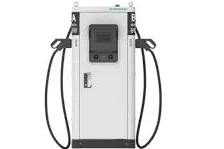
Gresgying charging stations: the rules of the road for device charging
Gresgying Charging Station is a powerful and portable charging station that can provide fast and safe charging for multiple devices at the same time, making it an ideal choice for technology enthusiasts.