Customized Wallbox Charger: What Can Be Changed and How to Specify It
A customized wallbox charger is not one thing — it is a menu of changes built on top of a proven AC platform. Brand owners, distributors and project developers sometimes assume "customized" means a from-scratch design, when in practice most value comes from changing the right few items while leaving the certified core alone. This guide lists what can actually be changed, which changes are cheap and which trigger a re-certification, and how to write a specification sheet that a factory can build from without a dozen clarifying emails.
Visual Identity: Housing, Colour, Logo and Labelling
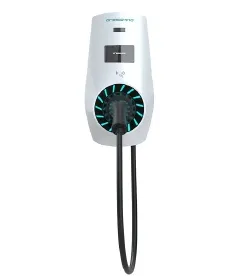
The most common changes are visual. Housing colour, finish (matte or gloss), the front bezel and the holster style can all be adapted to match a brand or a building's architectural language — low-risk edits when the internal mechanics are unchanged, and the kind of change the Turbo Wallbox platform supports without touching the certified internals. Your logo on the front, your model name on the nameplate, and your contact details on the rating label are standard items too. They are cheap and fast because they affect print and silk-screen only. The one rule: the safety markings and certification numbers must remain legible and correct, so the label is usually a co-branded layout rather than a free redesign.
Power, Phase, Cable and Connector
Within a given platform you can usually select the output — 3.7kW, 7kW, 11kW or 22kW — and choose single-phase or three-phase. This is a configuration choice rather than a redesign, provided the platform already covers that rating; three-phase markets are a good example, as the 11kW wallbox launch in Poland shows. Cable length (commonly 4m, 5m or 7m), a tethered versus socketed output, and the connector type (Type 2 as standard in most markets) are all adjustable. A longer tethered cable changes the bill of materials and packaging but not the certification; choosing the wrong regional plug, however, is a change that affects compliance, not just convenience.
Firmware, OCPP and Connectivity
The software layer is highly customizable without any hardware change. Authorisation method (RFID, app, plug-and-charge), the OCPP version, the default backend URL, the choice of load-management interface, and the UI language can all be set per customer. For operators running many points, the integration approach is the same one described in smart AC fleet integration, and the feature set is summarised in the robust AC charger guide. Metering accuracy class and the presence of a MID-certified meter sit between "pure software" and "structural": a different meter module is a component swap, while adding a second communication port may need a small PCB change. The platform view is outlined in Gresgying's AC product line article.
Packaging, Manual and Language
Carton print, the quick-start guide, the full manual and the app store listing can all be produced in your language and under your brand. This is inexpensive and avoids the most common post-launch complaint — an instruction booklet no local installer can read. For residential roll-outs the AC charger guide and the home installation guide are the usual reference documents to localise.
Standard Item vs Custom Item: Cost and Recertification
The practical question is always the same: does this change cost a few dollars or a new certification? The table below separates the two so you can plan budget and lead time honestly.
Scenarios That Typically Need Customization
- Fleets: Branded units with central OCPP management and metering tuned for reimbursed charging, as used in a fleet hub deployment.
- Apartments: Coordinated colours and multilingual manuals for shared residential bays.
- Brand owners: Full logo, nameplate and packaging under their own name for retail or channel sale.
- Non-standard voltage markets: Supply formats outside 230V single-phase, where the rating and connector must follow local rules.
How to Write a Clear Customization Spec Sheet
A good spec sheet removes ambiguity. These are the elements every customization brief should contain:
- Target market and standard: Country, voltage, phase, and the safety marks required.
- Output and phase: Exact rating (e.g. 11kW three-phase) and adjustable current range.
- Connector and cable: Tethered or socketed, length, connector type.
- Brand assets: Logo files, Pantone or RAL colour codes, nameplate wording.
- Software: OCPP version, backend URL, authorisation method, UI language.
- Metering and comms: Meter class, communication interface, load-management needs.
- Packaging and docs: Languages, carton design, manual format.
- Volume and timeline: Forecast annual quantity and the required delivery window.
Rule of thumb: If a change alters the enclosure shape or the electrical topology, assume a new certification. If it only alters print, software or a platform-supported option, it is a configuration, not a redesign.
Conclusion
A customized wallbox charger delivers the most value when you change the few items that matter to your market — brand, rating, connector, software and docs — while keeping the certified core intact. The art is knowing which edits are free and which reopen the test lab. Write the spec sheet against the checklist above and you turn a vague "make it ours" into a build-ready order.
For the wider AC picture, start with smart AC chargers and the wallbox overview. Certification detail sits in the safety standards guide, and the CE baseline is covered in the CE certification note. Drawing packages and label templates are in the download centre.
Want a Wallbox Built to Your Spec?
Send Gresgying your specification sheet and we will map each item to a cost and a lead time — and flag anything that needs re-certification.
Get Your Free Quote →Related Products
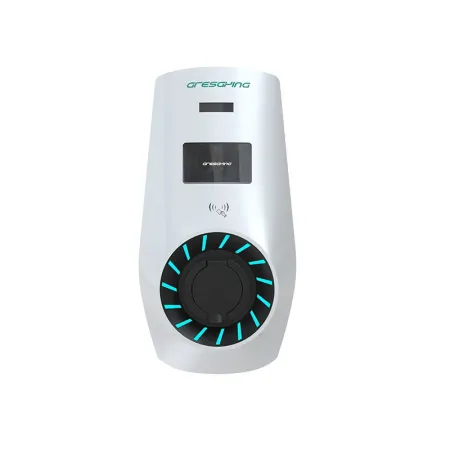
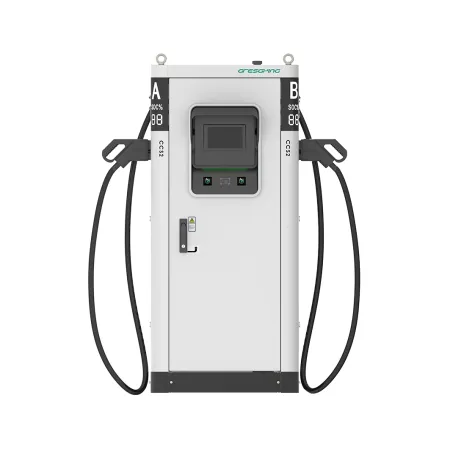
More items about wallbox charger

We Have The Best Solutions for Your Business
User Reviews
What users say about Us
Frequently Asked Question
Do you have any question?
Our Wallbox Chargers have a power output range from 3.7 kW to 22 kW.
Yes, our Wallbox Chargers are designed to be compatible with all types of EVs.
Yes, we provide a 2-year warranty on all our Wallbox Chargers.
The charging time depends on the EV's battery capacity and the charger's power output. On average, it takes about 4-6 hours.
Yes, our Wallbox Chargers are designed for both indoor and outdoor installations.
Yes, our Wallbox Chargers are certified by TÜV, CE, and other relevant safety standards.
Yes, our Wallbox Chargers can be integrated with most smart home systems.
Yes, our Wallbox Chargers are designed to handle voltage fluctuations.
Our updates and blog posts
Gresgying AC Charger: Powering Your Devices Efficiently
Gresgying AC Charger is an efficient, safe and portable charger that provides fast and safe charging for a variety of devices, making it your ideal charging solution.
Gresgying Charging Center: Revolutionizing the way we power our devices
Gresgying Charging Hub is a powerful and portable charging station that can provide fast and safe charging for multiple devices at the same time, making it an ideal choice for technology enthusiasts.
Gresgying charging stations: the rules of the road for device charging
Gresgying Charging Station is a powerful and portable charging station that can provide fast and safe charging for multiple devices at the same time, making it an ideal choice for technology enthusiasts.