Electric Car Charger Factories: How to Evaluate Manufacturing Capacity
For distributors, project developers and fleet operators sourcing EV charging equipment, the factory behind the product matters as much as the product itself. A low unit price is meaningless if the supplier cannot scale when your order grows or hold quality once volume ramps. This guide explains how to evaluate electric car charger factories across capacity, line layout, flexibility, certification, quality systems and lead time.
Start With Annual Capacity, Not Headcount
The first number a factory will quote is usually its workforce, but headcount is a weak proxy for output. Far more useful is annual unit capacity per product category — how many AC wallboxes, how many DC stations, and how many high-power hubs the plant can build in a year at three-shift operation. A facility that assembles a few hundred units a month may quote well on a pilot order yet struggle to deliver a thousand-unit rollout on time.
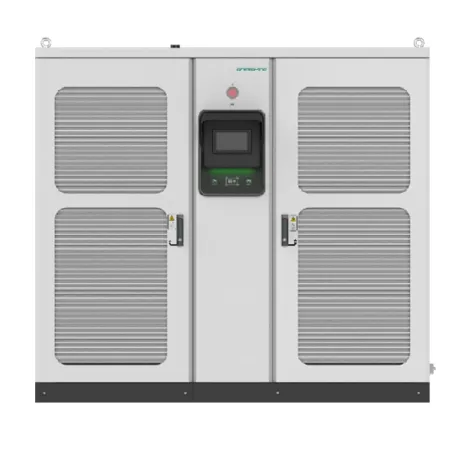
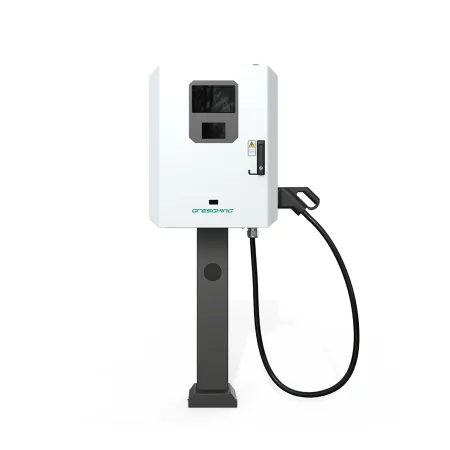
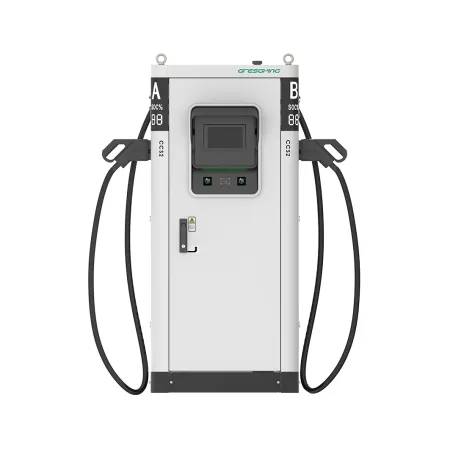
Ask for the capacity split rather than a single aggregate figure. A plant that builds both compact AC units and large DC stations, such as the range shown on our Turbo Wallbox page, will describe output in separate lines so you can match the right line to your requirement.
How Production Line Layout Reveals Maturity
A mature charger plant runs defined, balanced workstations. Look for a linear or cell-based flow where a unit moves through SMT, module integration, harnessing, enclosure build, functional test and packing without backtracking. Balanced stations indicate the factory has studied takt time and removed the bottlenecks. Our new R&D and manufacturing base in Shaanxi was planned around exactly this kind of continuous flow.
Capacity Flexibility and Peak-Season Response
Demand for charging hardware is seasonal and project-driven. The question is not only how much a factory can make, but how fast it can add shifts or lines when your programme pulls forward. Factories with owned buildings, in-house tooling and cross-trained operators absorb surges better than those renting floor space or subcontracting assembly. A factory's real capacity is also capped by its longest-lead component — often power modules or certain connectors — so ask how many weeks of critical-parts cover they hold.
Certification and In-House Quality Systems
Capacity without certified, audited quality is a liability. Confirm the factory holds the marks your target market requires — CE for Europe, plus TÜV, PTB or CHAdeMO approvals where relevant — and that those certificates name the actual product model, not a generic family. Gresgying's DC stations carry TÜV SÜD certification and the company has also secured CE certification across its European-standard range.
Evaluation Dimensions at a Glance
Use the matrix below as a scoring sheet during factory assessment. Score each dimension from 1 to 5 and weight them by what your project needs most.
Lead Time and Delivery Commitments
Capacity only counts if it converts into a date you can plan around. Insist on a written lead time tied to a defined order volume, and find out whether the factory keeps finished-goods stock for popular models such as its 120–180kW DC charging station.
Red Flags When a "Factory" Is Really a Trading Desk
Some suppliers present as manufacturers but own no line. Warning signs include reluctance to allow a live tour, inability to show the production records above, and vague answers about where PCB assembly happens. A genuine plant will gladly walk you through its full product collection and the line that builds each item.
Rule of thumb: capacity you cannot verify on a live tour is capacity you cannot rely on. Score the factory on evidence, not on the slide deck it sends you.
Conclusion
Evaluating electric car charger factories is less about the headline capacity number and more about whether that capacity is certified, flexible and backed by real quality records. Build your shortlist with the dimension matrix above, insist on a live tour, and weigh lead-time commitments as heavily as price. For technical files, visit our download centre or explore our fleet hub charging references.
Want to Assess a Charger Factory Firsthand?
Talk to Gresgying about a plant tour, capacity data and certification evidence for your AC or DC charging programme.
Book a Factory Visit →