Electric Car Wall Charger: Wall-Mounted Charging Done Right
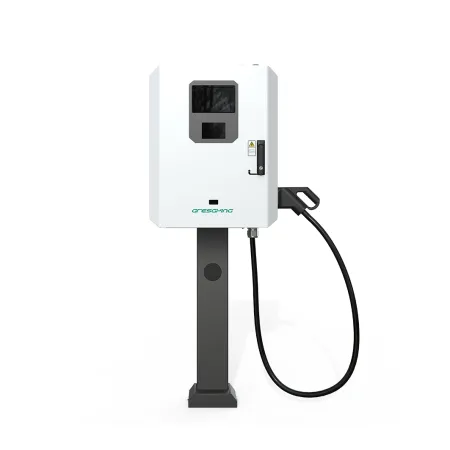
The electric car wall charger is the most common way the world charges electric vehicles. It bolts to a wall in a garage, carport or car park, draws power from the building supply and delivers it to the car through a Type 2 cable. Because it is fixed, compact and close to where vehicles actually park, the wall-mounted form has become the default for homes, workplaces and many commercial sites. This guide covers how wall units are installed, how they compare with pedestal-mounted options, and which technical details matter most.
How a Wall Charger Is Installed
Wall mounting looks simple, but a reliable install depends on three things that are easy to overlook until the unit is in your hand.
- Wall load-bearing capacity: A charger is light, but the backplate, cabling and any pull force from the cable add up. Masonry and stud walls need the right anchors; hollow or crumbling surfaces should be reinforced or avoided.
- Cable routing and supply: The run from the distribution board to the wall box should be as short and protected as possible, ideally in conduit, with the correct conductor size for the current drawn.
- Indoor versus outdoor: Outdoor walls demand a higher ingress-protection rating and UV-stable housing, plus consideration of weather and drainage around the unit.
The full step-by-step is in our home charger installation guide, which applies equally to a single wall box at home or a row of them in a shared car park.
Wall-Mounted vs Pedestal: Which to Choose
Choose Wall Mounting When…
A solid wall sits right beside the parking space, the site is residential or low-traffic, and you want the lowest hardware and install cost. Wall boxes are also easier to secure and less exposed to accidental knocks.
Choose a Pedestal When…
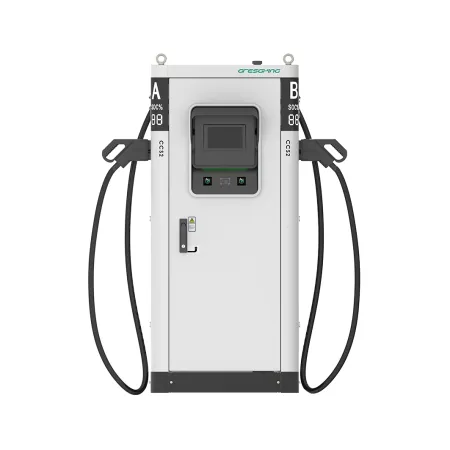
Parking bays are open with no adjacent wall, vehicles approach from either side, or the site needs dual cables and visible wayfinding. Pedestals cost more but unlock layout flexibility in open lots.
For a clear comparison of the two forms, our wallbox charger overview walks through typical home and business deployments.
Core Parameters That Actually Matter
When evaluating a wall unit, a short list of specifications tells you most of what you need to know.
Gresgying's compact Turbo Wallbox is a good reference for how these parameters come together in a single housing, and our AC charger article explains the underlying AC technology.
Which Spaces Suit Wall Charging Best
- Private garages and driveways: The classic case — a wall is right there, one vehicle, predictable routine.
- Workplace car parks: Multiple wall boxes on a shared wall serve staff vehicles through the day, especially with load management.
- Apartment blocks: Where each bay has a wall, individual metered wall boxes avoid the cost of a central station.
Our workplace charging solution and fleet hub approach show how wall-mounted units scale across a site rather than standing alone.
Safety and Protection for a Fixed Unit
Because a wall charger is permanently wired, the protection lives both inside the unit and in the building's electrical system. Residual-current devices, overcurrent protection and temperature sensors should all be present, and the enclosure must keep moisture away from live parts. The certification baseline for this is covered in our commercial wallbox standards guide, which applies to tougher installations as well as domestic ones.
Rule of thumb: a wall charger is only as good as the wall and the circuit behind it. Confirm both before you buy the hardware.
Living With a Wall Charger Day to Day
Once installed, a wall charger asks little of its owner, but a few habits keep it healthy. Coil the cable rather than letting it drag on the ground, where grit and moisture accelerate wear at the connector. Check the enclosure seals after harsh weather if the unit is outdoors, and keep the area around it clear so heat can dissipate. Most faults that do occur show up as a changed indicator light or a slower-than-usual session, so a quick glance each week catches problems early.
Connectivity adds a second layer of care. A unit linked to a management platform can report its own health, so the owner or site manager sees a dropped session or a temperature anomaly without visiting the wall. For homes this is a convenience; for a row of workplace boxes it is what keeps a handful of units from quietly failing one by one. The operating detail behind this is described in our AC energy-efficiency article, which also covers off-peak scheduling that pairs naturally with a fixed wall unit.
Conclusion
A well-specified electric car wall charger is the most cost-effective way to charge for the majority of drivers and sites. Get the wall, the supply and the IP rating right, choose a power level that matches your vehicle, and the unit will quietly do its job for years. For spaces without a suitable wall, a pedestal is the natural alternative — but for everyone else, wall mounting is charging done right.
Ready to Mount the Right Wall Charger?
Talk to Gresgying about power levels, IP ratings and installation for your garage, workplace or shared car park.
Get Your Free Quote →