Wallbox Charger for Sale: How to Read the Specs Correctly
A wallbox charger for sale is easy to list and easy to misread. The same rating can mean different things depending on phase, the same "smart" label can hide very different capability, and the same IP number can be quoted for indoor and outdoor use alike. This guide is for buyers who want to interpret the specification sheet rather than be sold by it — what the model names correspond to, which numbers actually matter, and where suppliers quietly leave things ambiguous.
How Model Names Map to Specifications
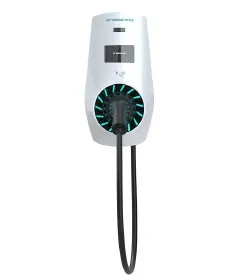
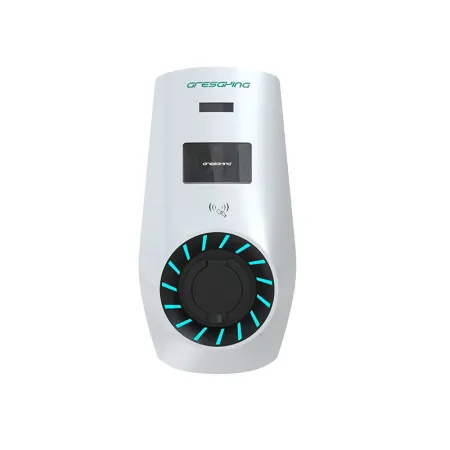
Most wallbox ranges encode the essentials in the name: a power figure, a phase indicator and sometimes a connector style. A "7kW single-phase socketed" unit and an "11kW three-phase tethered" unit are not close alternatives despite sitting side by side in a catalogue. The compact hardware behind these names is shown in the Turbo Wallbox range, and the product thinking is described in our Turbo Wallbox introduction. Treat the name as a starting point, then read the detail line by line.
The Core Ratings: 3.7 / 7 / 11 / 22 kW
These four numbers cover almost the entire AC wallbox market. They are not steps you should automatically climb — each assumes a different supply and a different vehicle ceiling.
The 11 and 22 kW steps depend entirely on three-phase supply being present. Our 11 kW Poland launch explains why that rating is standard in markets where three-phase is the norm. The fundamentals of connected AC design are set out in our smart AC charger guide.
Single-Phase vs Three-Phase
This is the most often confused line on a spec sheet. A "7 kW" unit is single-phase by definition in most regions; a "22 kW" unit is three-phase and will not reach that figure on a single-phase board no matter what the label says. Always ask which supply the quoted power assumes. The practical implications for homes are covered in our home installation guide, and the full product reasoning in our AC product line overview.
Socketed vs Tethered
A socketed (plug-in) wallbox has a Type 2 socket and the driver supplies the cable; a tethered unit has a fixed cable attached. The socketed form is flexible across vehicles and easier to replace if the connector wears, while the tethered form is more convenient for a fixed user and keeps the cable off the ground. Neither is "better" — the right choice depends on who uses the bay. The convenience trade-off is part of our wallbox solutions overview.
What "Smart" Actually Means on the Spec Sheet
"Smart" is the most abused word in charger marketing. On a credible spec it should mean specific, testable things: OCPP support, energy metering, remote start/stop, and over-the-air firmware. On a weak spec it may mean only a Bluetooth app with no open protocol and no backend. Insist on the protocol name and version. The difference matters enormously for commercial use, and our AC charging solutions piece shows what a managed unit can do. The bigger selection logic is in our EV charger selection guide.
IP Ratings and Where They Apply
An IP rating tells you how well the enclosure resists dust and water. IP54 resists splashing and is fine for sheltered outdoor or indoor use; IP65 shrugs off direct jets and suits fully exposed walls. The rating must match the mounting location — quoting a high IP on an indoor-only unit is padding, while quoting a low IP for an exposed car park is a failure waiting to happen. Certification expectations for shared and outdoor hardware are detailed in our commercial wallbox safety standards article.
Mainstream vs Edge Configurations
Most of the market clusters around a few mainstream builds: 7 kW single-phase with metering, 11 kW three-phase with OCPP, and tethered outdoor units at IP54 or better. Edge configurations — unusual current limits, bespoke connector pairs, integrated payment terminals — exist but usually mean longer lead times and higher support risk. Knowing which is mainstream helps you read a price: a suspiciously cheap "22 kW" box may be an edge build with thin spares backing. The structured product approach is in our advanced AC chargers notes.
Stock Availability vs Custom Lead Times
A unit "for sale" may be in regional stock or built to order. Stock models ship in days and carry proven spares; custom configurations can take weeks and may need a minimum order. For a single home bay, stock is almost always the right call. For a project with a defined spec, a short custom lead against a written spare-part承诺 is acceptable. Browse current configurations in the product collection, and pull datasheets from the download centre. Where solar or storage is part of the plan, the PV + ESS charging system is worth a look alongside the wallbox.
Conclusion
Reading a wallbox charger for sale correctly means looking past the headline kilowatt number to the assumptions behind it: the phase the power assumes, what "smart" concretely delivers, the IP rating against the real mounting spot, and whether the configuration is stock or custom. Do that and the catalogue stops being a list of look-alike boxes and becomes a set of distinct tools you can match to a supply and a vehicle. The selection guide remains the safest next step once the specs are clear.
Need Help Interpreting a Spec Sheet?
Send Gresgying the model you are comparing and we will tell you what the ratings really assume and whether it fits your supply.
Get Your Free Quote →Related Products
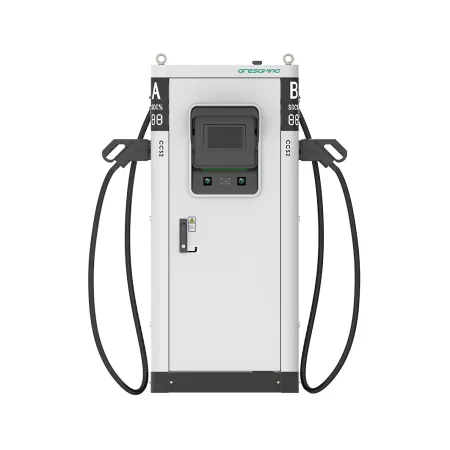
More items about wallbox charger
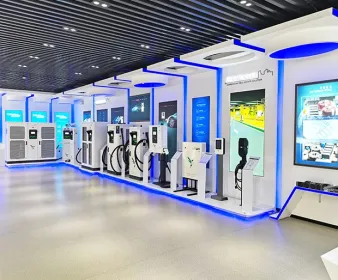
We Have The Best Solutions for Your Business
User Reviews
What users say about Us
Frequently Asked Question
Do you have any question?
Our Wallbox Chargers have a power output range from 3.7 kW to 22 kW.
Yes, our Wallbox Chargers are designed to be compatible with all types of EVs.
Yes, we provide a 2-year warranty on all our Wallbox Chargers.
The charging time depends on the EV's battery capacity and the charger's power output. On average, it takes about 4-6 hours.
Yes, our Wallbox Chargers are designed for both indoor and outdoor installations.
Yes, our Wallbox Chargers are certified by TÜV, CE, and other relevant safety standards.
Yes, our Wallbox Chargers can be integrated with most smart home systems.
Yes, our Wallbox Chargers are designed to handle voltage fluctuations.
Our updates and blog posts

Gresgying AC Charger: Powering Your Devices Efficiently
Gresgying AC Charger is an efficient, safe and portable charger that provides fast and safe charging for a variety of devices, making it your ideal charging solution.
Gresgying Charging Center: Revolutionizing the way we power our devices
Gresgying Charging Hub is a powerful and portable charging station that can provide fast and safe charging for multiple devices at the same time, making it an ideal choice for technology enthusiasts.
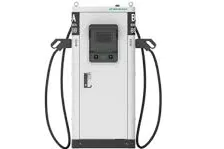
Gresgying charging stations: the rules of the road for device charging
Gresgying Charging Station is a powerful and portable charging station that can provide fast and safe charging for multiple devices at the same time, making it an ideal choice for technology enthusiasts.