Hot Sale Electric Car Charger Models: What Demand Data Reveals
When a particular hot sale electric car charger model keeps appearing at the top of catalogues and distributor shortlists, that popularity is not random. It is the visible result of thousands of separate buying decisions, each driven by a real constraint — a supply type, a parking routine, a budget, a regulatory requirement. Reading that demand signal tells you far more than a single spec sheet, because it shows what actually works in the field. This article looks at the demand structure behind the models that sell, without quoting any figures, and explains how that pattern can guide your own procurement.
The Two Demand Clusters in the Market
Charging demand splits cleanly into two worlds, and the best-selling models sit squarely inside one of them. Understanding which cluster you belong to narrows the field immediately.
Home and Workplace: 7–11 kW AC
Single-phase 7 kW and three-phase 11 kW wallboxes dominate where vehicles park for hours. The pace matches an overnight or working-day window, and the infrastructure is already in most buildings.
Commercial and Public: 60–120 kW DC
Sites that charge strangers or fleets on a clock turn to DC stations. The 60 kW and 120 kW bands balance throughput with grid connection cost, which is why they recur across tenders and operator orders.
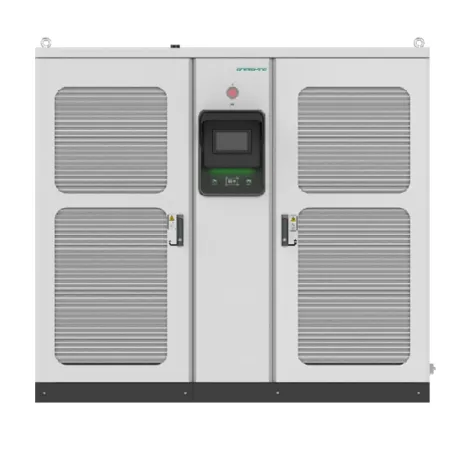
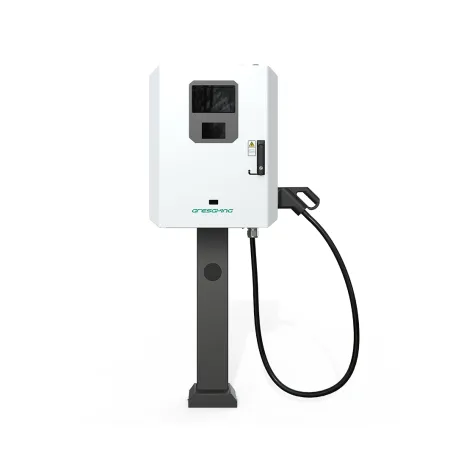
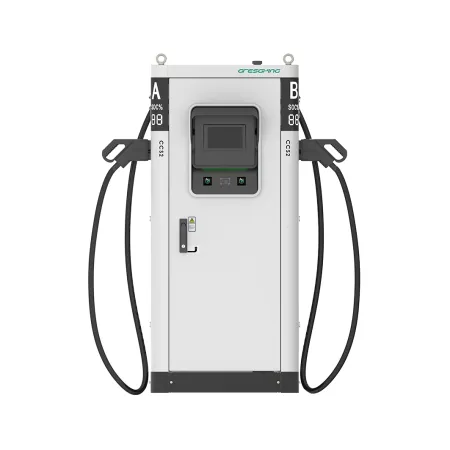
Gresgying's range spans both clusters, from the Turbo Wallbox at the AC end to the 120–180 kW DC station built for higher-turnover sites.
Why Those Power Bands Win
The popularity of a power level is rarely about maximum speed. It is about the best fit between what the vehicle can accept, what the building can supply, and what the owner can justify spending.
- 7–11 kW fits the parked hours: Most cars sit idle far longer than they need to charge, so a faster box would sit idle too.
- 60–120 kW fits the grid: Above this range, connection and upgrade costs rise steeply, so operators stop where the economics still close.
- Modularity extends life: Buyers favour platforms that scale, so a 60 kW cabinet that grows protects the original investment.
The economics of scaling up are explored in our modular hub infrastructure article and the DC charger ROI analysis.
Common Features of the Best-Selling Models
Strip away the branding and the high-volume models share a recognizable feature set. These are the traits that survive contact with real buyers and real sites.
Demand Signals From Different Sectors
The same model family often sells into very different sectors for different reasons, and reading those reasons prevents a mismatch.
- Retail and destination sites favour chargers that draw customers and look presentable — see our retail destination solution.
- Fleets buy for predictable overnight replenishment and central management, covered in our fleet hub approach.
- Public networks prioritise uptime and payment integration, themes in our public fast-charging solution. The same operator base also values the higher-power options described in our public network power guide.
How Hot-Selling Data Validates Your Decision
Popularity is a form of crowdsourced testing. A model that sells widely across markets has, in effect, been field-proven at scale — its certification holds up, its firmware is stable, and its spare parts exist. When you are unsure between two specifications, the one that recurs in independent tenders and distributor lists carries less hidden risk. That is not herd behaviour; it is using the experience of thousands of other buyers as a filter.
Demand also reveals the maturity of a product line. Models that have been on the best-seller lists for several seasons tend to have settled firmware, a known spare-parts path and a support network that has learned the common failure modes. Fresh entrants can match the spec sheet but lack that operational track record, which is why a steady seller often beats a flashier newcomer for a risk-averse buyer. The same logic applies whether you are fitting one home box or specifying a town's worth of public stations, and it is the quiet reason procurement teams keep returning to the same proven bands.
For a structured way to turn this into a shortlist, our EV charger selection guide maps demand patterns to concrete requirements, and the commercial selection guide does the same for site operators.
Rule of thumb: the best-selling model is rarely the fastest or the cheapest — it is the one that fits the most real-world constraints at once.
Conclusion
A hot sale electric car charger is a window into what the market has already learned. The demand clusters around 7–11 kW at home and 60–120 kW commercially are not accidents; they reflect the practical limits of supply, vehicle and budget. The shared feature set — certification, OCPP, dual guns, load management — is what buyers keep voting for. Use that signal to shortlist with confidence, then confirm the specifics against your own site.
Not Sure Which Model the Market Favours for You?
Talk to Gresgying about the demand-proven configurations that fit your power level, sector and site.
Get Your Free Quote →