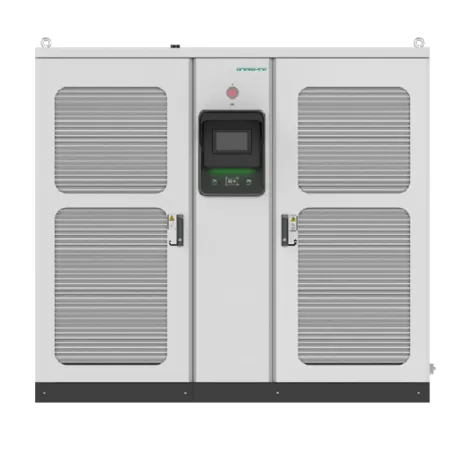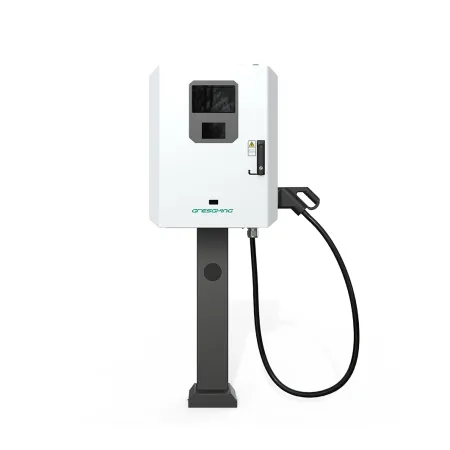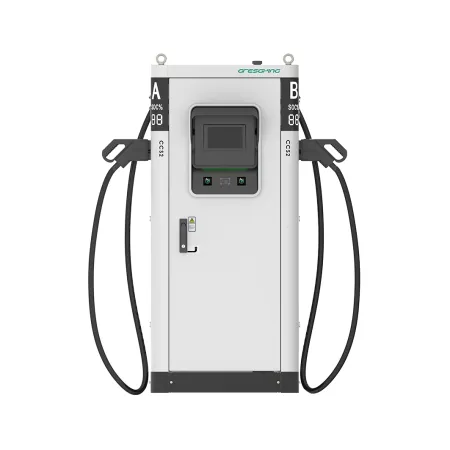
60kW Electric Car Charger: Matching Speed to Dwell Time
Most charging decisions are really scheduling decisions in disguise. The question is not "how fast can this charger go" but "how fast does the vehicle actually need to go, given how long it will be parked?" The 60kw electric car charger answers that question for the large middle of the market: fast enough to deliver a meaningful top-up during a normal visit, modest enough to keep grid demand and cost under control. This guide explains where 60kW lines up perfectly with how people actually use their cars.
What 60kW Means in Charging Time
A 60kW DC charger delivers direct current straight to the battery, so the vehicle's onboard charger is no longer the bottleneck. For a typical passenger EV, a 20% to 80% session lands in roughly 40 to 45 minutes — about the length of a supermarket shop, a long lunch, or a meeting. That is half the time of a 30kW unit and a fraction of what any AC box would need, without the connection cost of 120kW and above.
As with every DC tier, the curve matters more than the label: output climbs, holds near peak through the middle of the state-of-charge window, then tapers above 80%. Gresgying's 60kW DC charging station is built to sustain that middle plateau efficiently, and the engineering behind it is covered in our guide to high-performance DC charger specifications.
Dwell-Time Fit: If vehicles are parked for an hour anyway, 60kW refills most of the battery within that window. Paying for 120kW or 180kW only helps if cars leave sooner than that — otherwise the extra capacity sits idle.
Where 60kW Fits Best
These scenarios share a common pattern: the vehicle is stationary for long enough that a 40-minute charge is simply part of the visit, not an interruption. That overlap is the sweet spot for 60kW. Push the power higher and you pay for speed the dwell time cannot use; drop it lower and you risk cars still charging when their owners return. Matching the tier to the parking duration is the single most important siting decision a commercial operator makes.
Retail and Supermarket Car Parks
A 40-minute shop lines up almost perfectly with a 60kW session. Our retail destination charging model turns that overlap into customer loyalty — see also innovative retail solutions.
Workplaces and Office Bays
Employees who plug in on arrival can leave with a near-full battery by end of day. Our workplace charging layouts use 60kW where faster turnover between shifts is useful.
Fleet Base Yards
Vehicles that return between duties get a solid top-up without needing the fastest — and most expensive — tier. Our fleet hub charging approach combines this with slower AC overnight bays.
60kW vs 30kW vs 120kW: Balancing Cost and Use
The art of specifying DC is matching power to expected dwell time and utilisation, not buying the biggest number. The table below shows how the tiers compare for a typical commercial site.
For sites where vehicles naturally dwell for an hour or two, 60kW captures nearly all the practical benefit of DC at a fraction of the connection cost of 120kW. The full power-versus-infrastructure trade-off is explored in our article on DC charger power output for public networks.
Dual-Gun Configuration and Power Sharing
A 60kW unit with two connectors usually shares that output between them. One car on its own gets close to the full rate; two cars sharing split the available power. This is deliberate: it lets a single cabinet serve more vehicles and smooths demand on the supply. Dual-gun layouts are especially effective at workplaces and fleet yards, where arrivals and departures are spread through the day rather than bunched into a peak.
- Higher stall efficiency: Two connectors from one cabinet means less hardware per parking space.
- Smoother peaks: Sharing avoids a second stall drawing full power at the same moment, easing the load on the building supply.
- Simpler scaling: Operators can add cabinets as demand grows rather than overbuilding from day one.
Cost, Utilisation and Return
The financial case for 60kW rests on utilisation. At moderate session counts, the lower capital and connection cost of this tier typically produces a better return per bay than a more expensive installation that is rarely used to its limit. Energy distribution across multiple units is covered in our article on optimizing energy distribution, and the commercial model is set out in our DC charger ROI analysis.
For sites that expect to grow, the same product family extends upward: the 120–180kW station and modular hub designs such as the modular charging hub let operators add capacity without changing platforms.
Conclusion
The 60kw electric car charger is the tier that most closely matches the rhythm of everyday charging. It delivers a full top-up within the time people already spend shopping, working or between duties, while keeping grid demand and capital cost at a level most commercial sites can absorb. For retail, workplace and fleet-base locations — the places where vehicles dwell for an hour or more — it is often the most sensible point on the DC curve.
Specify dual-gun sharing where turnover matters, confirm your supply has the spare capacity for moderate DC, and plan for growth with a scalable platform. Our EV charger selection guide helps tie these choices together.
Planning a 60kW Charging Site?
Talk to Gresgying about dual-gun layouts, grid capacity and the right DC mix for your retail, workplace or fleet location.
Get Your Free Quote →