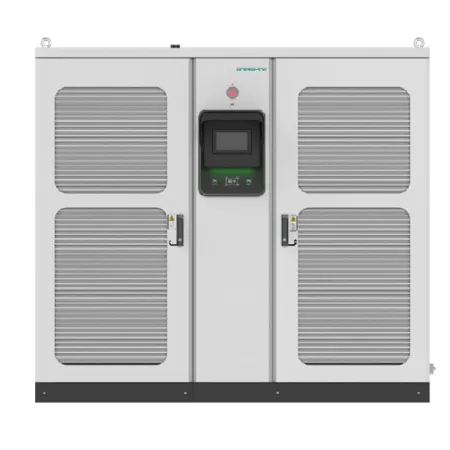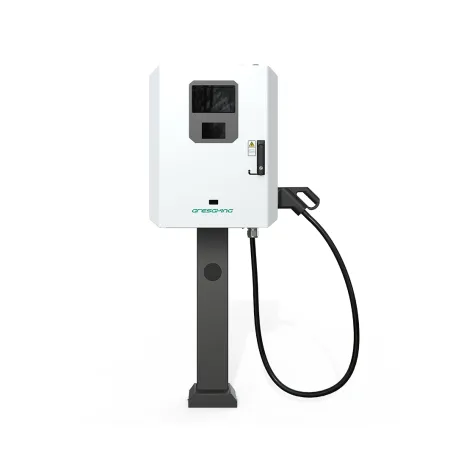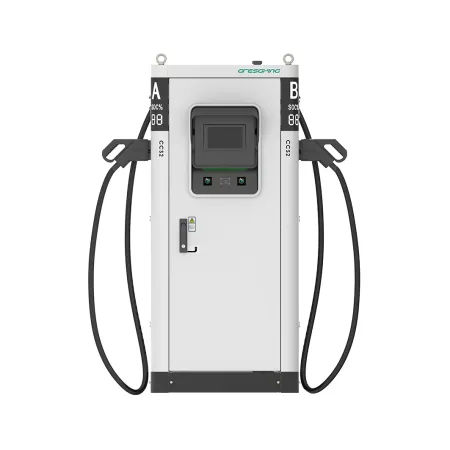
22kW Electric Car Charger: The Limits of AC Charging
At the top of the alternating-current range sits the 22kw electric car charger, the fastest AC level permitted under the Type 2 standard. It is a tempting figure on a specification sheet, promising roughly double the speed of an 11kW box. In practice, however, the charger is only half the story: the vehicle's onboard charger decides how much power it will actually take. This guide explains where 22kW genuinely helps, where it is wasted, and how to decide whether you need it at all.
What 22kW Actually Requires
A 22kW AC unit draws 32 amps from each of three phases at 400V. That is twice the current of an 11kW charger, which means the building needs both a genuine three-phase supply and enough spare capacity at that higher draw. The unit itself remains a simple AC box — the heavy lifting of conversion still happens inside the car — but the electrical feed behind it is noticeably heavier.
Gresgying's Turbo Wallbox range spans the AC tiers and is designed to operate cleanly at three-phase currents up to 32A, with the same enclosure and connectivity options whether you specify 11kW or 22kW output.
The Onboard Charger Limit: Many popular EVs accept only 7.4kW or 11kW on AC, no matter what wallbox you plug into. A 22kW charger feeding such a car simply delivers 11kW and the rest of its capacity sits unused.
Where 22kW Earns Its Keep
The situations that justify 22kW share one trait: vehicles are parked long enough that faster AC simply shortens an occupancy that was already going to be hours. The benefit is higher turnover rather than emergency speed.
Workplaces With Rotating Bays
Where several employees share a limited number of bays during a shift, the extra speed lets more cars top up in a day. Our workplace charging layouts use 22kW where the vehicle mix supports it.
Hotels and Extended-Stay Sites
An overnight guest car is parked for eight hours either way, but 22kW reassures higher-end visitors. The case for hospitality charging is made in our article on EV charging as a hotel amenity.
Fleets Parked Overnight
Pool cars and vans that return to base each evening can all be topped fully on AC. Our fleet hub charging approach pairs this with occasional DC for mid-shift turns.
22kW vs 11kW: The Real Trade-Off
The decision between these two AC tiers is rarely about speed alone. It is about supply capacity, vehicle acceptance and cost.
If most of the vehicles you serve cap out at 11kW on AC, the 22kW unit delivers nothing extra for a higher price and a heavier supply. Our coverage of advanced AC chargers explains how to match hardware to the vehicles on your site.
When 22kW Makes Sense — and When It Does Not
- Choose 22kW if a large share of your vehicles accept 22kW on AC and you have spare three-phase capacity at 32A per phase.
- Choose 22kW if bays are shared and turnover matters more than absolute session speed.
- Skip 22kW if your fleet is mostly 7–11kW cars; an 11kW box serves them just as fast for less money.
- Skip 22kW if your supply cannot handle 32A per phase without a costly upgrade — in that case 11kW or DC is the better route.
Specifying a Reliable 22kW Unit
At 32A per phase, build quality and thermal management matter more than at lower tiers. Look for adjustable current so the unit can step down if the supply is constrained, dynamic load management for shared banks, and proper certification for outdoor use. These points are developed in our guide to robust AC chargers for fleets and our overview of Gresgying's AC product line.
For the basics of getting power to the wall, our home charger installation guide covers the electrical checks every AC install needs, whether at 7kW or 22kW.
Energy Efficiency and Running Cost
AC charging is inherently efficient, and the difference between 11kW and 22kW in conversion terms is small. The bigger lever is when you charge and whether you can pair the unit with solar or off-peak tariffs. Our article on AC charger energy efficiency shows how scheduling and generation cut the cost per kilometre. For a fuller picture of the AC category, see our ultimate AC charger guide and the smart AC charging overview.
Conclusion
The 22kw electric car charger is the ceiling of AC charging, and a genuinely useful one for sites with 22kW-capable vehicles, three-phase headroom and a need for faster bay turnover. It is not, however, a default upgrade. Where the vehicle mix is limited to 11kW on AC, the extra capacity is money spent on a number on a label. Confirm your cars' acceptance rate and your supply's spare current before committing, and treat 22kW as a targeted tool rather than a universal maximum.
Our EV charger selection guide walks through the remaining decisions, and our fleet management integration article shows how AC banks are managed at scale.
Specifying 22kW or 11kW for Your Site?
Talk to Gresgying about three-phase capacity, vehicle acceptance and the right AC mix for your workplace, hotel or fleet project.
Get Your Free Quote →