

Wallbox Home Charger: Planning a Residential Installation
A wallbox home charger is the single most useful upgrade for a household with an electric car, but "home" covers two very different situations. A detached house with its own board is a straightforward install; an apartment bay shared with the building supply is a negotiation with physics and the strata. This guide plans the residential install from the driveway outward: the dwelling type, the phase question, the cable route, sharing between cars, tariffs, and the permits that apply.
Detached House vs Apartment Bay
The dwelling type sets the whole project. The two cases differ in who controls the supply, how the cable reaches the bay, and whether load management is optional or essential.
The homeowner case is covered in our home charger solutions article, and the lifestyle angle in our essential EV home charger guide. The rising expectation around residential charging is discussed in our residential must-have piece.
A practical consequence is that apartment projects usually need a load-management controller and a sub-metering arrangement agreed with the building manager before any cable is pulled. Detached houses rarely face that hurdle, which is why their installs move from decision to plugged-in in days rather than weeks.
Single-Phase or Three-Phase: It Depends on the Supply
The most common mistake is choosing a charger rating before checking the house supply. A single-phase home is limited to around 7 kW regardless of what the car can take; a three-phase home can reach 11 or 22 kW. The choice is dictated by the building's electrical connection, not by the vehicle. In markets where three-phase is standard, the higher ratings make sense — our Poland 11 kW launch explains that reasoning. The compact hardware for either case is in the Turbo Wallbox range.
Placement and Cable Routing in Practice
Where the box goes decides how pleasant it is to use every day. Mount it where the cable reaches the car without stretching across a walkway, keep the holster at a comfortable height, and route the supply cable by the shortest protected path. Outdoor walls need a genuine weather rating; garages can use a lower one. The step-by-step practicalities — earthing, protection and routing — are in our installation guide. Apartment installs that draw from a shared board should also read our notes on energy distribution across multiple units.
Multi-Car Homes and Shared Bays
Two EVs on one supply need coordination. The simplest answer is sequential charging with a short delay, or a pair of lower-rated points balanced by load management so the total never exceeds what the board can give. In a shared apartment bay, the same logic protects the building's supply from overload when several residents charge at once. The selection logic for mixed households is in our EV charger selection guide, and the convenience model in our wallbox solutions overview.
Load Management and Time-of-Use Tariffs
A home wallbox earns its keep when it charges at the cheapest hours. A connected unit can shift sessions into off-peak windows automatically, and where solar or storage is present it can absorb surplus generation instead of exporting it. That combination is where the real saving sits, not in a higher power rating. Our AC charging efficiency article works through the tariff maths, and the integrated option is the PV + ESS charging system, with a matching PV + ESS solution for whole-home setups.
Permits and Compliance Basics
Most residential installs require notification to the local electrical authority and sign-off by a qualified electrician; apartment installations may also need body-corporate approval because the supply is shared. The unit itself must carry the relevant regional certification, and the protective devices upstream must match the charger's requirements. These are not optional formalities — they protect the building and the warranty. The certification expectations for wallbox hardware are detailed in our commercial wallbox safety standards article, much of which applies to shared residential blocks too.
When a Home Wallbox Is All You Need
For the large majority of households, a single AC wallbox is the complete answer. If the car is parked for eight or more hours overnight, sits on a normal domestic supply, and is the only vehicle charging most evenings, no faster hardware is required — the battery is simply full by morning. Stepping up to three-phase or adding a second point only pays when the supply already supports it and two cars genuinely compete for the same capacity. The community-level case for shared residential charging is made in our community investment guide.
It is worth separating the rare exception from the rule. Households with very high daily mileage, or two EVs that must both leave early on a single-phase supply, may genuinely need either three-phase or two managed points. Everyone else is buying peace of mind they will never use if they overspecify — money better spent on a quality install and a smarter tariff.
Conclusion
A wallbox home charger is planned from the building outward, not from a power number inward. Confirm the dwelling type and the supply phase first, place the box where the cable reaches cleanly, add load management the moment more than one car or a shared board is involved, and let off-peak timing do the cost work. For most homes a single, correctly specified AC wallbox is the whole solution — installed once, used every night, and forgotten about in the best possible way.
Planning a Home Wallbox?
Tell Gresgying your supply type and parking setup and we will size the right wallbox and cable route for your home.
Get Your Free Quote →Related Products
More items about wallbox charger
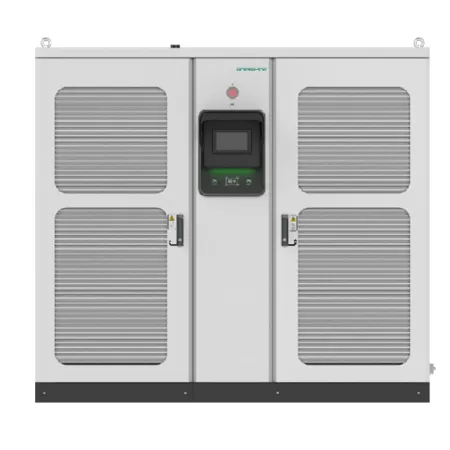
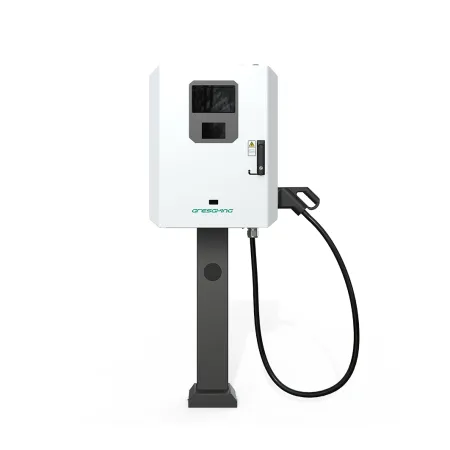

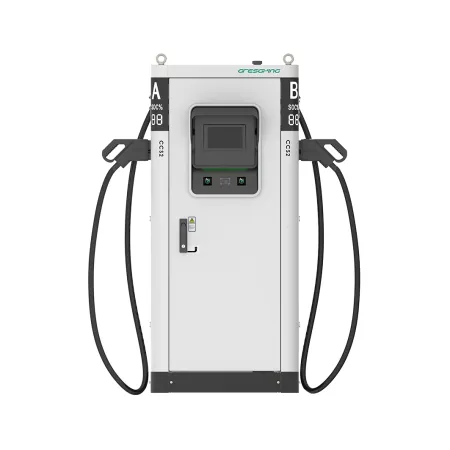

We Have The Best Solutions for Your Business
User Reviews
What users say about Us
Frequently Asked Question
Do you have any question?
Our Wallbox Chargers have a power output range from 3.7 kW to 22 kW.
Yes, our Wallbox Chargers are designed to be compatible with all types of EVs.
Yes, we provide a 2-year warranty on all our Wallbox Chargers.
The charging time depends on the EV's battery capacity and the charger's power output. On average, it takes about 4-6 hours.
Yes, our Wallbox Chargers are designed for both indoor and outdoor installations.
Yes, our Wallbox Chargers are certified by TÜV, CE, and other relevant safety standards.
Yes, our Wallbox Chargers can be integrated with most smart home systems.
Yes, our Wallbox Chargers are designed to handle voltage fluctuations.
Our updates and blog posts

Gresgying AC Charger: Powering Your Devices Efficiently
Gresgying AC Charger is an efficient, safe and portable charger that provides fast and safe charging for a variety of devices, making it your ideal charging solution.
Gresgying Charging Center: Revolutionizing the way we power our devices
Gresgying Charging Hub is a powerful and portable charging station that can provide fast and safe charging for multiple devices at the same time, making it an ideal choice for technology enthusiasts.
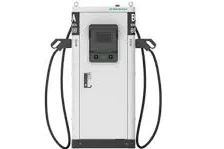
Gresgying charging stations: the rules of the road for device charging
Gresgying Charging Station is a powerful and portable charging station that can provide fast and safe charging for multiple devices at the same time, making it an ideal choice for technology enthusiasts.