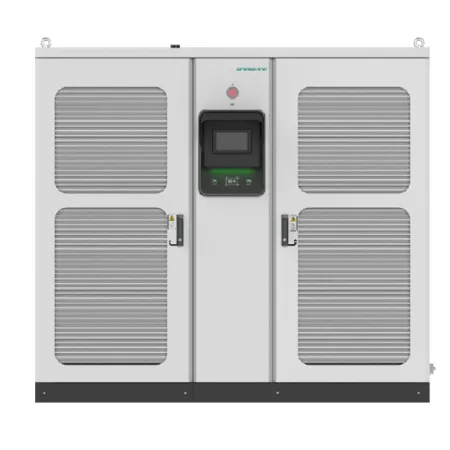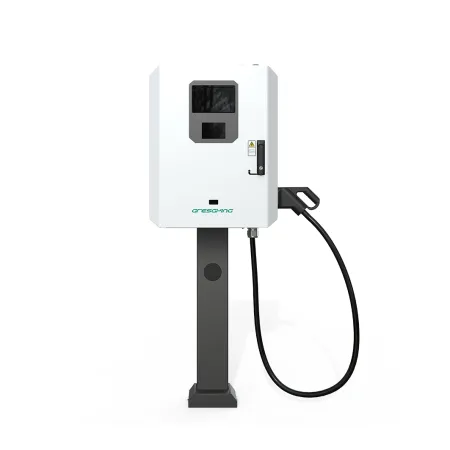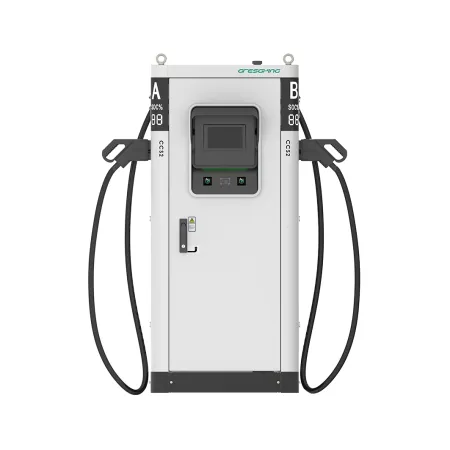
30kW Electric Car Charger: Entry-Level DC Fast Charging
For many commercial sites, the leap from slow AC to serious DC fast charging feels like a cliff edge: expensive hardware, heavy grid connections, and complexity that small operators would rather avoid. The 30kw electric car charger is the rung that bridges that gap. It delivers genuine DC speed — far quicker than any AC wallbox — while keeping electrical demand low enough that most existing supplies can handle it without an upgrade. This guide explains why 30kW is the sensible first step into DC for smaller sites.
What 30kW DC Delivers in Practice
A 30kW DC charger feeds direct current straight to the battery, bypassing the vehicle's onboard charger and removing the single biggest limit on AC speed. In real terms, a typical passenger EV gains roughly 150 to 200 kilometres of range in half an hour, and reaches a 20% to 80% state of charge in around 45 to 60 minutes depending on the car. That is a different league from a 7kW or 11kW AC box, which would need several hours for the same result.
Crucially, 30kW does not demand the supply that higher DC tiers require. Gresgying's 30kW DC charger is designed for straightforward grid connection, making it the natural entry point for sites taking their first step into fast charging.
Low Grid Demand: Because 30kW draws a modest current, many commercial premises can host it on their existing supply. That avoids the single largest cost of high-power DC: a new transformer or upgraded connection.
Where 30kW Fits Best
The defining feature of a good 30kW site is dwell time. Where vehicles are parked for an hour or more anyway, the charger quietly tops them up without anyone waiting around for a fast stop.
Destination and Retail Sites
A charger that fills a battery during a shopping trip turns parking into value. Our retail destination charging model is built around exactly this dwell-time logic.
Workplaces and Staff Bays
Employees who park for a full shift return home with a meaningful buffer. Our workplace charging layouts often start with DC at this level before scaling up.
Small Fleet Depots
Local vans and cars that return overnight can top up between duties. Our fleet hub charging approach pairs 30kW units with slower AC bays.
Another advantage is operational simplicity. With fewer power modules than a high-power unit, a 30kW charger has less to go wrong and is straightforward for site staff to monitor. For an operator new to DC, that lower complexity is as valuable as the lower price, because the first fast-charging site is also a learning exercise in how drivers behave, when peaks occur and how maintenance is handled in practice before scaling to bigger systems.
30kW DC vs 22kW AC: The Real Choice
Operators often weigh a 30kW DC unit against a 22kW AC wallbox, because both serve similar dwell-time scenarios. The difference is fundamental: DC bypasses the onboard charger, so the vehicle's AC acceptance limit no longer caps the session.
If your vehicles sit for hours anyway and already accept 22kW on AC, the wallbox may be enough. If you want a real speed advantage, or your cars cap out at 11kW on AC, 30kW DC delivers it without a heavy grid upgrade. The broader DC picture is covered in our DC charger solutions guide.
Why 30kW Is the Right First DC Step
- Lowest DC entry cost: It is the most affordable way to offer direct-current charging and learn how drivers use it before scaling.
- Minimal grid work: Many sites avoid a connection upgrade entirely, which is usually the largest line item in a DC budget.
- Clear upgrade path: Once demand is proven, you can add higher tiers or move to a hub architecture without relearning the platform.
- Mixed-vehicle friendly: Because DC bypasses the onboard charger, every compatible car charges at the unit's rate.
What to Look For in a 30kW Unit
Even at this level, the details decide reliability. A wide voltage range, above-95% efficiency, OCPP compliance and proper outdoor protection all matter. Our guide to DC charger specifications sets out what to inspect, and our overview of fast and efficient DC charging explains the wider category. For operators new to DC, why DC makes sense is a useful starting point.
Installing any charger — AC or DC — begins with the same electrical checks, which our installation guide walks through. And if you expect to grow toward 60kW later, the 60kW DC charging station sits one tier up on the same family of products.
Conclusion
The 30kw electric car charger is the smart on-ramp to DC fast charging. It unlocks direct-current speed and frees you from the onboard-charger limit, yet keeps the grid demand and capital cost low enough that smaller commercial sites can adopt it with confidence. For destinations, workplaces and small fleets taking their first step into DC, it is usually the most balanced place to start — fast enough to matter, modest enough to fit.
When you are ready to plan the broader mix, our EV charger selection guide and our article on charging efficiency help you size the right combination of AC and DC.
Ready to Add Your First DC Charger?
Talk to Gresgying about 30kW DC options, grid requirements and the right mix for your retail, workplace or fleet site.
Get Your Free Quote →