Electric Car Charger Manufacturer: Criteria That Actually Matter
Choosing an electric car charger manufacturer is a long-term decision, not a one-off purchase. The unit you buy today will sit on a wall or roadside for eight to ten years, and the partner behind it determines whether support, spares and firmware arrive when you need them. This article sets out the criteria that separate a dependable manufacturer from a cheap one, and finishes with a self-assessment checklist you can score a supplier against.
Research and Development Depth
A manufacturer that only assembles bought-in modules will struggle to fix field issues or adapt to new protocols. Look for an in-house engineering team that owns the charging logic, the thermal design and the firmware. Evidence includes published patents, standards participation and joint research. Gresgying's work with the digital energy research institute and its membership in CharIN are signs of that depth.
Completeness of Certification
Certification is the passport to your market, and partial marks are a common trap. A serious manufacturer holds the full set your region demands — CE as a baseline, plus TÜV for German-speaking Europe, PTB for calibrated metering, and RoHS / REACH for material compliance. Gresgying has secured CE certification, earned TÜV SÜD approval on its DC stations, gained PTB certification for high-power terminals, achieved RoHS and REACH compliance, and holds CHAdeMO protocol certification. Confirm each certificate names the exact model you intend to buy.
Ask for the Certificate Number
Any notified-body mark can be checked online by certificate number. A manufacturer that hands you the number without hesitation is one that expects you to verify it — exactly the confidence you want.
In-House Test Equipment
Standards compliance is proven by equipment, not by promises. Tour the lab: does the manufacturer own climate chambers, AC/DC loads, hi-pot testers, EMC chambers and metering calibrators? Owning the instruments means it can re-test after a component change instead of shipping blind. The discipline behind our public fast-charging offer is described in the public fast-charging solution.
Warranty and After-Sales Policy
A strong product with a weak warranty is a risk transferred straight to you. Score the manufacturer on warranty length, what it excludes, how it ships spares, and whether it keeps spare modules for the product's whole service life. Pair this with clear response-time commitments — commercial buyers should expect a defined turnaround for fault diagnosis, not an open-ended "we'll look into it".
Overseas Project Experience
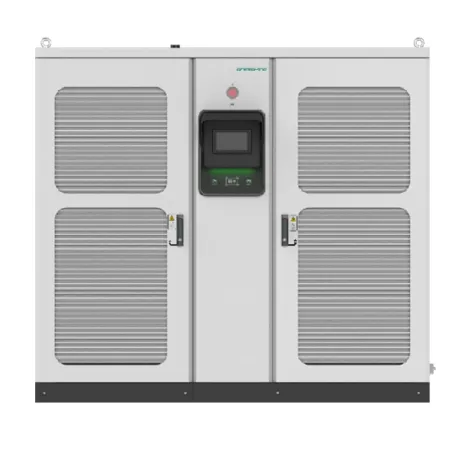
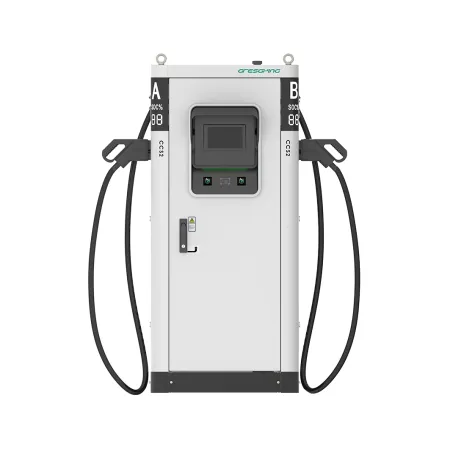
A manufacturer that has shipped to your region understands its grids, plugs and paperwork. Ask for reference deployments and the names of local partners who can service the equipment. Gresgying's DC stations such as the 120–180kW unit have been deployed across multiple overseas markets, and case studies are listed in our company news.
Responsiveness and Communication
When a rollout stalls, the speed of the manufacturer's reply matters as much as its hardware. Test this early: send a technical question before you order and see how precise and quick the answer is. A supplier that assigns you a named engineer signals it treats commercial relationships as partnerships. Our full background is on the about page.
Manufacturer Self-Assessment Checklist
Score each item Yes / Partial / No. Treat more than two "No" answers as a reason to keep looking.
Rule of thumb: the cheapest quote from a manufacturer that fails the checklist will cost more than a fair quote from one that passes it — once warranty, spares and downtime are counted.
Conclusion
The right electric car charger manufacturer is defined less by price than by what it can prove: engineering ownership, complete certification, real test equipment, a solid warranty and a track record in your region. Run every candidate through the checklist above before you commit, and let the evidence decide. Our EV charger selection guide covers the wider buying decision.
For datasheets and certificates to complete your evaluation, use the download centre.
Need a Manufacturer You Can Score?
Gresgying shares certification evidence, test reports and reference projects with serious commercial buyers on request.
Request the Evidence →