

Wallbox Charger Supply: Managing Lead Times and Availability
Price is settled in a day; wallbox charger supply is won or lost over weeks. For importers, distributors and project developers, the question is rarely whether a wallbox exists but whether it will arrive in time, certified, and in the quantity a rollout needs. This guide looks at the supply chain itself — capacity flexibility, component lead times, production scheduling, seasonality, and the contract clauses that keep delivery honest.
Evaluating Capacity Flexibility
A supplier's nameplate capacity tells you little; what matters is how fast they can absorb a surge. Ask about line count, shift patterns, and whether they own the enclosure tooling or outsource it. A manufacturer expanding its base, such as Gresgying's new RD and manufacturing base, signals headroom for growth. The Turbo Wallbox line is a concrete example of what that capacity serves.
Key Components and Chip Lead Times
A wallbox is mostly a metal enclosure with a control board, a contactor, an RCD and a communications module. The long-lead item is usually the semiconductor and connectivity chip, not the mechanical parts. Request the supplier's stated procurement cycle for these components and whether they hold buffer stock. The AC infrastructure background and the AC charger guide describe the electronics that sit behind a seemingly simple box.
MOQ, Scheduling and Lead Time
Minimum order quantity is not just a price threshold — it drives how a factory schedules your batch against others. A small order may wait for a compatible production window; a full container gets a slot of its own. Clarify the real lead time at your actual quantity, not the headline figure. This dynamic is visible across both workplace and fleet hub deployments where batch size varies widely.
Seasonality and Its Effect on Delivery
Safety Stock and Split Deliveries
Rather than one giant shipment, agree a split-delivery schedule that matches your installation rate, and keep a small safety stock of the variant you deploy most. This smooths cash flow and protects against a single late batch stalling the whole programme. The energy distribution and planning strategy articles show how rollout pacing interacts with hardware availability.
How to Judge Delivery Stability
- On-time history: Ask for the supplier's actual fulfilment rate over the last year, not a promise.
- Certification currency: A lapsed approval halts supply without warning — confirm via the safety standards and CE certification references.
- Communication: Do they warn you weeks ahead of a slip, or only when it is late? Early warning is the single best stability signal.
Writing Delay Clauses Into the Contract
A delivery date with no consequence is a hope. State a firm date, a grace period, and a penalty or right-to-cancel that escalates with delay. Tie partial shipments to partial payment, and define who carries freight and storage if a split delivery slips. Energy-cost planning in the AC efficiency article is separate from this, but both belong in the same commercial file.
Practical tip: Ask for the supplier's written lead time at your exact quantity and season, then add the grace period as your internal commitment. That gap is your buffer, not the supplier's.
Build your forecast from the installation plan, not the sales target. Ordering against an optimistic forecast fills warehouses; ordering against a realistic rollout keeps cash and shelves balanced. Share the realistic number with the supplier so their scheduling matches your reality rather than a hope.
Use the supplier's order-book visibility to your advantage. If they can show you their load for the coming weeks, you can place the next batch before a busy window rather than inside it. Transparency on both sides is what turns a quoted lead time into a reliable one.
For long programmes, consider a blanket order with call-offs. You reserve capacity and price, then release against the rollout. This costs some flexibility but removes most delivery surprise — a fair trade when the go-live date is fixed by contract and penalties for missing it are real.
Finally, monitor macro signals. Currency moves, port congestion and component allocation all show up in lead time before they show up in your shipment. A buyer who watches these reads the delay coming and acts, rather than explaining it afterward. Keep one number in view above all: the gap between your promised date and the supplier's committed date plus grace — that buffer is your real protection, and when it shrinks, you reorder earlier, not later.
Above all, treat lead time as a number you manage, not a number you receive. The suppliers who deliver on time are the ones whose buyers tracked the timeline, shared realistic forecasts, and acted the moment the buffer narrowed. Supply stability is a shared discipline, not a gift.
Conclusion
Managing wallbox charger supply is a discipline of asking the unglamorous questions — chip cycles, MOQ scheduling, seasonality, and contractually real delay penalties. Buyers who do this ship on time; those who only compare price discover the gap when a site goes live unfinished. Treat lead time as a negotiated spec, hold a little safety stock, and you turn supply risk into a planned variable. Browse the collection to scope the quantities you need to plan against.
Need a Reliable Wallbox Supply Plan?
Gresgying shares capacity, lead times and component planning so your rollout stays on schedule.
Plan Your Supply →Related Products
More items about wallbox charger
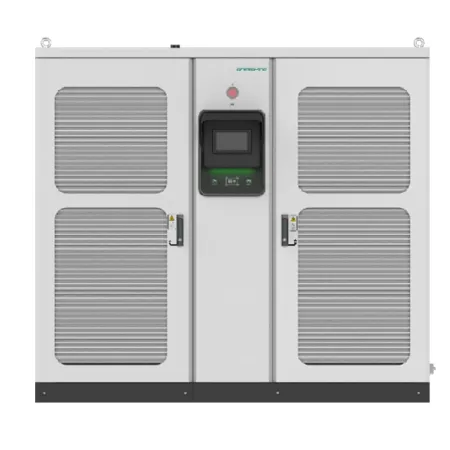
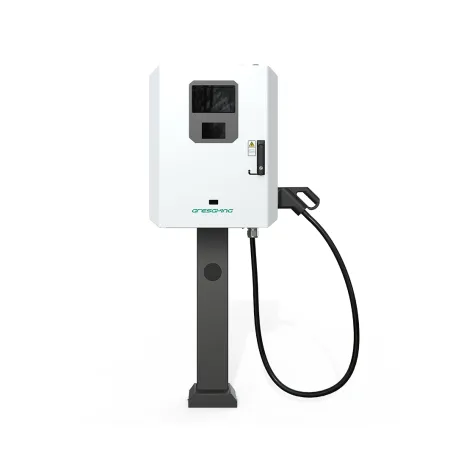

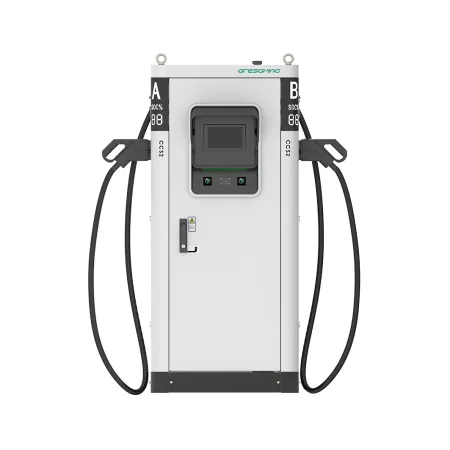

We Have The Best Solutions for Your Business
User Reviews
What users say about Us
Frequently Asked Question
Do you have any question?
Our Wallbox Chargers have a power output range from 3.7 kW to 22 kW.
Yes, our Wallbox Chargers are designed to be compatible with all types of EVs.
Yes, we provide a 2-year warranty on all our Wallbox Chargers.
The charging time depends on the EV's battery capacity and the charger's power output. On average, it takes about 4-6 hours.
Yes, our Wallbox Chargers are designed for both indoor and outdoor installations.
Yes, our Wallbox Chargers are certified by TÜV, CE, and other relevant safety standards.
Yes, our Wallbox Chargers can be integrated with most smart home systems.
Yes, our Wallbox Chargers are designed to handle voltage fluctuations.
Our updates and blog posts

Gresgying AC Charger: Powering Your Devices Efficiently
Gresgying AC Charger is an efficient, safe and portable charger that provides fast and safe charging for a variety of devices, making it your ideal charging solution.

Gresgying Charging Center: Revolutionizing the way we power our devices
Gresgying Charging Hub is a powerful and portable charging station that can provide fast and safe charging for multiple devices at the same time, making it an ideal choice for technology enthusiasts.
Gresgying charging stations: the rules of the road for device charging
Gresgying Charging Station is a powerful and portable charging station that can provide fast and safe charging for multiple devices at the same time, making it an ideal choice for technology enthusiasts.