7kW Electric Car Charger: The Single-Phase Standard
Before the talk of megawatt hubs and 800V platforms, there is the humble wallbox that most EV owners actually live with. The 7kw electric car charger is the default home charger for a reason: it runs on the ordinary single-phase supply found in nearly every household, costs the least to buy and install, and quietly fills a battery overnight. This guide explains why 7kW is still the right answer for most homes, and how to tell when it is time to consider stepping up to 11kW.
What a 7kW Charger Delivers
A 7kW unit draws 32 amps from a single phase at 230V — the same kind of connection a cooker or shower might use. In practice that adds around 25 to 40 kilometres of range per hour of charging, which means a typical 60 kWh battery goes from empty to full in roughly eight to nine hours. Park the car when you get home and it is full by morning, with margin to spare. For the overwhelming majority of drivers, who cover well under 50 kilometres a day, that is all the speed they will ever need.
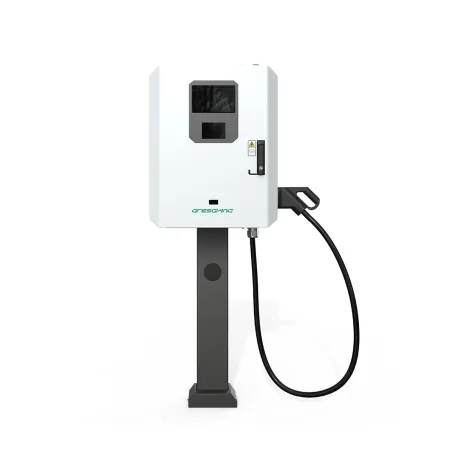
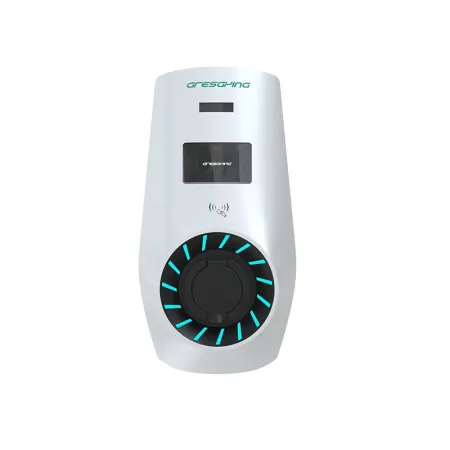
Because it is AC, the conversion happens inside the car, and the wallbox stays simple and inexpensive. Gresgying's Turbo Wallbox range covers this single-phase tier alongside its three-phase siblings, giving households a compact, connected unit that fits a standard domestic supply.
Overnight Is the Whole Point: 7kW is not slow if the car is parked for eight hours anyway. The relevant question is whether the battery is full when you leave — and for most daily driving, it is.
Why 7kW Is Enough for Most Homes
Standard Domestic Supply
Single-phase 230V is what almost every home already has, so there is no supply upgrade and minimal electrical work. Our installation guide walks through what a competent electrician checks.
Lowest Cost of Entry
The unit, the cabling and the install are all cheaper than three-phase alternatives, which is why it dominates the home market. The case for home charging is made in our homeowner guide.
Gentle on the Battery
A slower overnight charge generates less heat and is easier on battery cells over years of ownership. Our home charger overview covers the safety and convenience angle.
For context, the average driver covers far less in a day than a single night of 7kW charging can restore. Even a large 75 kWh pack is fully replenished in under eleven hours, so the practical limit is almost never the charger — it is how long the car happens to be plugged in. Households with two vehicles simply alternate bays or add a second unit, which almost always remains cheaper than paying to upgrade the supply to three-phase.
7kW vs 11kW: When to Upgrade
The natural next step up is 11kW, which requires a three-phase supply and delivers roughly 60% more energy per hour. That upgrade only makes sense in specific circumstances.
Upgrade to 11kW only if your property already has three-phase power and you regularly need a faster fill — for example a high-mileage household with two EVs, or a situation where the car is parked for only a few hours. If your supply is single-phase, 7kW is simply the ceiling without a costly upgrade. The broader AC picture is in our AC charger guide, and Gresgying's three-phase rollout in markets like Poland shows where 11kW makes sense.
Specifying a Good 7kW Wallbox
- Adjustable current: The ability to dial the output down protects older wiring and lets the unit share a circuit safely.
- Scheduling and connectivity: Wi-Fi or 4G plus off-peak scheduling cuts running costs — see our energy efficiency guide.
- Safety certification: CE marking and proper ingress protection are essential for an outdoor-rated unit, as covered in our safety standards guide.
- Build quality: Gresgying's AC product line and smart AC overview explain what separates a durable unit from a cheap one.
Beyond the Home: Where 7kW Also Works
Single-phase wallboxes are not only for houses. Small workplaces, apartment blocks and destination sites with long dwell times can use banks of 7kW units where three-phase is unavailable or where vehicles park for many hours. Our workplace charging solutions cover these shared scenarios, and our essential home charger guide is the best starting point for any new owner.
Conclusion
The 7kw electric car charger remains the sensible standard for the vast majority of drivers. It runs on the supply already in the wall, costs the least to install, and refills a normal daily drive overnight without fuss. Treat 11kW as an upgrade only when you have three-phase power and a genuine need for more speed; otherwise 7kW delivers everything most households will ever use. Choose a well-built, certified, connected unit and it will serve quietly for years.
For help matching a charger to your supply and driving pattern, our EV charger selection guide walks through the decision end to end.
Choosing a Home Charger?
Talk to Gresgying about 7kW and 11kW options, your supply type and the right wallbox for your home or workplace.
Get Your Free Quote →