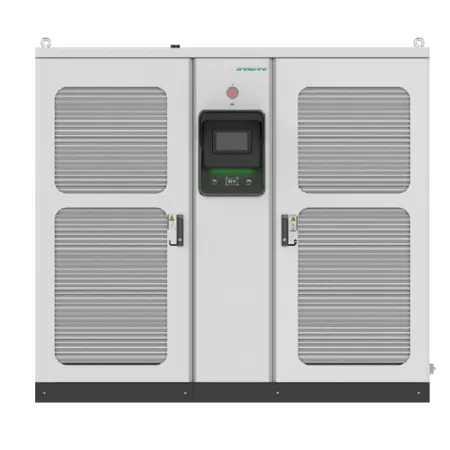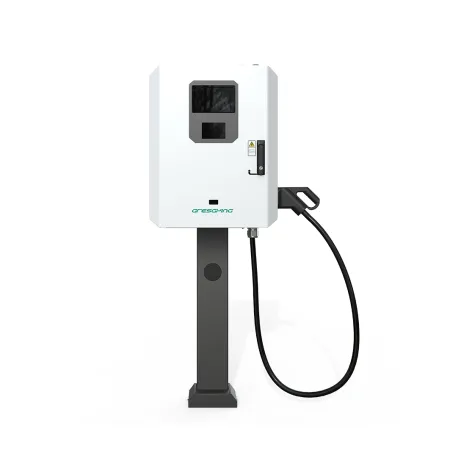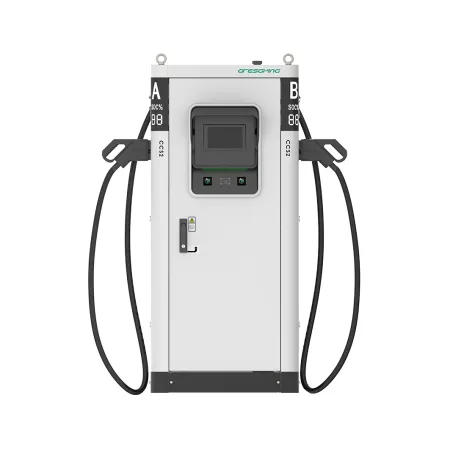
Charger for Electric Car: What to Confirm Before You Buy
Buying a charger for electric car use is not like buying a toaster. The unit you receive has to be wired into a building, approved by regulators, and compatible with a specific vehicle — and a wrong assumption at the ordering stage can mean an expensive return or a failed inspection. This checklist covers the seven things to confirm before you place the order, written from the buyer's practical point of view so nothing is left to chance.
1. Confirm Your Supply Capacity and Phasing
Before anything else, know what your building can deliver. A single-phase home supply limits you to around 7kW; three-phase lets you reach 11 or 22kW. Have a qualified electrician measure the available capacity at the distribution board and confirm how many phases reach the parking bay. Ordering an 11kW unit on a single-phase supply is a classic and costly mismatch. The practical steps are detailed in our home installation guide.
2. Verify Parking Ownership and the Cable Route
You need the right to install and a realistic path for the cable. Owned driveways are simple; rented or shared parking needs landlord permission and often a long cable run through common areas. Measure the distance from the supply to the bay, because cable length and civil works can cost more than the charger itself. For shared buildings, our multi-unit energy distribution guide explains how to keep costs down.
3. Specify the Right Protection Devices
EV charging introduces risks that ordinary circuits do not, so protection is not optional. At minimum you typically need a Type A residual current device (RCD) or a combined RCBO, plus overcurrent protection sized to the unit's draw. Some regions require Type B or a built-in DC fault detection. The exact requirements depend on your local code, which our commercial wallbox safety guide summarises for common markets.
4. Know Your Vehicle's AC and DC Acceptance
The charger can only deliver what the car will accept. Check the onboard charger rating for AC and the maximum DC rate for fast charging — a 22kW wallbox is wasted on a car whose onboard charger caps at 7kW. This single check prevents most "it charges slower than advertised" complaints. The Turbo Wallbox product page lists the AC output ranges so you can compare against your vehicle.
5. Permissions, Incentives and Paperwork
Depending on where you are, installation may need a permit, a certified installer, or notification to the utility. At the same time, many regions offer grants, tax credits or reduced tariffs for certified equipment. Confirm both the obligations and the available savings before you buy, because they can change the total cost substantially. Our planning strategy guide covers the paperwork side for larger sites, and the homeowner's guide covers the domestic angle.
6. After-Sales, Warranty and Spares
A charger is a long-life electrical appliance, so support matters. Check the warranty length, whether local service exists, how quickly spare parts ship, and whether the software is updated remotely. For workplaces, also confirm the management platform and open-protocol support so the unit is not stranded by a vendor change. The essential home charger guide frames these questions for domestic buyers.
It is worth writing your answers down before you approach a supplier. A one-page summary — supply type, vehicle models, parking arrangement and budget — lets a good installer quote accurately on the first attempt instead of returning with questions that delay the project. It also gives you a consistent basis to compare offers, because you will be comparing like for like rather than whatever each vendor chose to highlight. Treat that summary as the contract's foundation, and most of the surprises that plague charger projects simply disappear.
7. Pre-Order Checklist
- Supply confirmed: Phases, voltage and available current measured by a qualified electrician.
- Routing confirmed: Ownership or permission for the parking bay and a viable cable path.
- Protection specified: RCD/RCBO and overcurrent devices per local code.
- Vehicle matched: AC and DC acceptance rates known and not exceeded.
- Permissions & incentives: Permits and any rebates researched and documented.
- Support verified: Warranty, local service and spare-part availability confirmed.
- Cost modelled: Energy tariff and off-peak options reviewed, as in our efficiency guide.
Tick every box and the purchase becomes low-risk. For shared or commercial parking, fold these checks into the wider workplace charging planning, and align the result with our selection guide.
Rule of thumb: the cheapest charger is the one that passes inspection first time. Confirm the supply and the vehicle before you confirm the model.
8. Future-Proofing Your Purchase
The final consideration is not what you need today but what you will need in three years. If you expect a second EV, choose a unit or a site layout that can add another bay without a new supply upgrade. If your region is shifting connector standards, favour a charger with swappable or multi-standard cables. Load management that can later coordinate with solar, batteries or vehicle-to-grid will keep the install relevant as energy prices and incentives change.
Future-proofing also means buying from a manufacturer with a road map and local presence. Firmware updates, spare parts and certification renewals are ongoing commitments, not one-time events. A charger bought only on price can become a stranded asset the moment a standard evolves or a part goes out of production. Balancing first-cost against these long-term factors is the last box to tick before you commit.
Conclusion
A charger for electric car ownership succeeds or fails at the ordering stage. Get the supply, the routing, the protection, the vehicle match, the permissions and the support right, and installation becomes a formality. Skip any one of them and you risk a unit that cannot be commissioned or that underperforms from day one. Work the checklist top to bottom and you will buy with confidence.
Want a Second Opinion Before You Order?
Talk to Gresgying about supply checks, vehicle compatibility and the right charger spec for your site.
Get Your Free Quote →