Electric Car Charger Suppliers: Building a Multi-Source Strategy
When a rollout is small, one supplier is enough. But the moment a project developer or distributor is deploying across cities or countries, relying on a single electric car charger supplier becomes a quiet liability. A factory fire, a customs hold, or a firmware recall at the wrong moment can stall an entire program. A multi-source strategy spreads that risk — and, done well, also improves price, coverage and product fit. This guide explains how to build one.
Why One Supplier Is a Single Point of Failure
Every supplier has constraints: a production peak, a component shortage, a regional certification gap. If 100% of your chargers come from one source, any one of those constraints becomes your constraint. For a pilot that is annoying; for a national deployment it is a business risk. The first principle of multi-sourcing is simply not to let one vendor's bad day become your bad quarter.
Spreading Delivery and Supply Risk
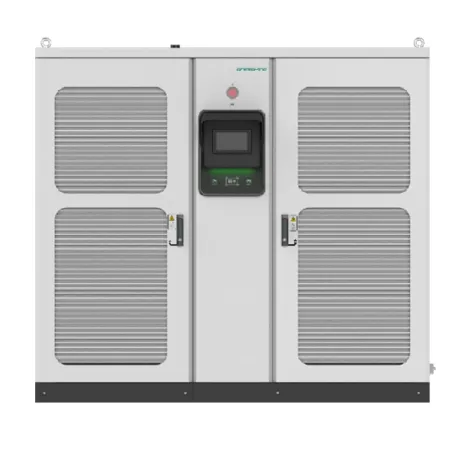
Two suppliers mean two production lines, two logistics routes and two component pools. If one is delayed, the other covers the gap while you rebalance the schedule. This is especially valuable for high-power programs where lead time drives project revenue. Gresgying's modular charging hub approach is designed so capacity can be added from multiple batches without redesigning the site.
Covering Regions With Local Service
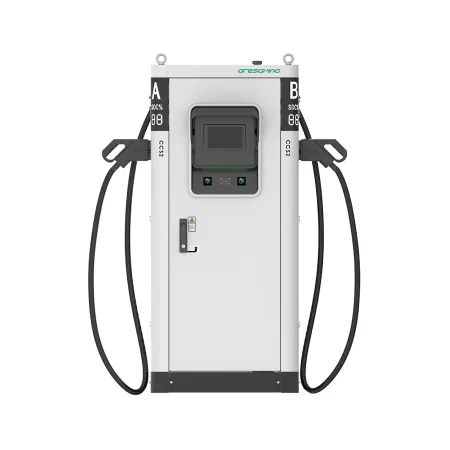
Service is local even when manufacturing is global. A supplier strong in one region may have thin support in another. Pairing suppliers by territory keeps spare parts and field engineers close to each site. A fleet hub charging program and a public fast-charging network often need different regional backing, which a single vendor rarely provides everywhere at once.
Supplier A — Primary
Holds the majority of volume, the deepest pricing, and the main technical relationship. You invest most in qualification here.
Supplier B — Secondary
Covers a region, a product gap, or surge capacity. Qualified to the same standard so it can absorb volume at short notice.
Creating Price Leverage
A credible second source changes every negotiation. The primary supplier knows you can shift a portion of the order, which keeps pricing and terms honest without you actually moving it. The leverage is the option, not the execution. For infrastructure with long payback, this discipline directly protects the return on a fast-charging investment.
Combining Complementary Products
Different suppliers often shine at different power levels. One may lead on AC wallboxes while another owns high-power hubs. Splitting by strength lets each site use the best-fit unit rather than a forced compromise. Gresgying's 480kW HPC terminal and its broader hub family show how a high-power layer can sit alongside AC at lower bays within one coordinated plan — a plan you can read about in Gresgying's Malaysia infrastructure scale-up.
Structuring Primary and Secondary Tiers
A clean split prevents the strategy from becoming two half-managed relationships. Give the primary supplier 60–80% of volume and the clearest roadmap visibility; give the secondary a defined territory or product slice and a standing quota so it stays qualified and motivated. The planning discipline behind this is the same one used in a profitable charging-station strategy. Real programs such as Gresgying's 240kW group charging hub for TNB demonstrate how multi-site coverage is delivered at scale.
Running Parallel Small-Batch Validation
Never promote a secondary supplier straight to a full container. Run a small parallel batch — say 5 to 20 units — on a live site, compare commissioning, uptime and support against the primary, and only then raise the share. This de-risks the switch and gives you real data instead of a sales pitch. The company background you review for any candidate should be matched by field evidence from your own pilot before volume follows.
Conclusion
A multi-source approach to your electric car charger suppliers is not duplication — it is insurance plus leverage. Spread delivery risk, cover every region with local service, keep pricing honest, and let each supplier play to its strength. Qualify the second source on a small batch first, and the strategy pays for itself the first time a primary line stumbles.
Browse the full equipment range in the product collection to map which models fit each tier of your plan.
Building a Resilient Supply Plan?
Talk to Gresgying about primary and secondary supply, regional service and small-batch validation for your rollout.
Get Your Free Quote →