Charger Electric Car: A Practical Selection Framework
If you are reading this, you are probably choosing your first serious piece of EV charging equipment. The market throws around kilowatts, connector names and protocol acronyms, and it is easy to feel that one charger electric car model is much like another. It is not. The right choice depends on three decisions that have nothing to do with brand: where the unit will live, how much power you actually need, and which plug and protocol your vehicles speak. This framework walks through all three and ends with a scenario table you can use directly.
Dimension 1 — Where the Charger Will Live
Location shapes almost everything else, from the supply you can use to the features you must have. A home wallbox is a private, predictable device. A workplace charger serves mixed users and needs access control. A public station is a commercial asset that must bill, authenticate and survive heavy use. Our solutions overview separates these scenarios clearly.
Home
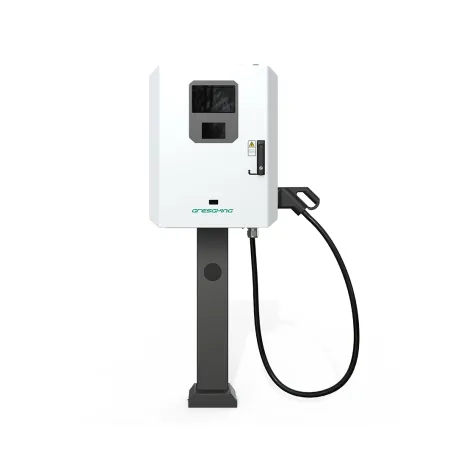
A single, low-traffic bay. Prioritise simplicity, scheduling and a safe install. The residential charging case is mostly about convenience and overnight readiness.
Workplace
Shared bays with turnover during the day. A workplace plan needs load management and user identification more than raw speed.
Public / Retail
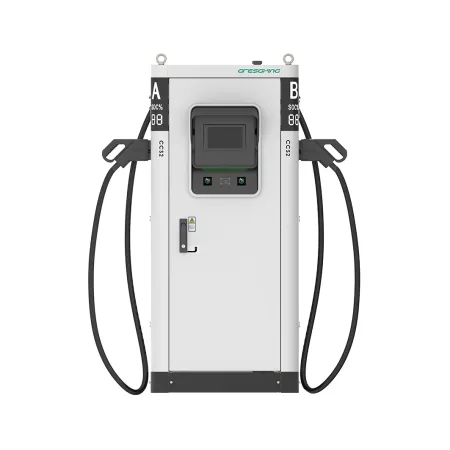
Paying customers. A destination-charging setup leans on reliability, payment and uptime.
Dimension 2 — Match Power to the Parking Window
Power should follow how long the vehicle sits, not a desire for the biggest number. If a car is parked eight hours, a 7 or 11kW AC unit refills it with margin to spare. If it is parked twenty minutes on a highway, only DC will do. Buying more power than the parking window allows simply wastes money. Our commercial selection guide applies this logic to larger sites.
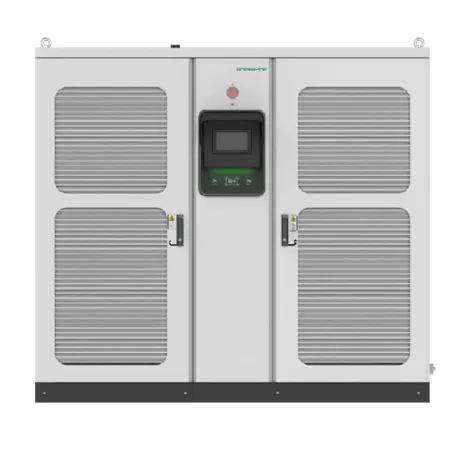
There is also a middle path worth naming: many sites blend AC and DC rather than choosing one. A fleet depot might wire most bays for overnight AC and reserve a couple of DC stalls for vehicles that must turn around fast. A retail park might offer a row of slow AC for shoppers who stay an hour and a single DC unit for passers-by. Thinking in blends, instead of a single answer, often produces the cheapest system that still meets every real need. The selection table earlier assumes exactly this kind of mixed thinking, so read it as a starting point for a combination rather than a single box to tick.
Dimension 3 — Connectors and Protocols
You must reconcile the physical connector with the communication protocol. In practice this means checking whether your vehicles use Type 2, CCS, CHAdeMO, NACS or GB/T, and whether the charger supports the management protocol your backend expects. Open standards such as OCPP keep you from being locked to one software vendor. The broader ultimate EV charger guide explains why protocol choice outlives the hardware.
Selection Table: By Use Scenario
Notice how the table rarely points to the highest power. Bigger numbers sell chargers, but they rarely describe how people actually charge. A fleet hub is a good example: most vehicles charge slowly overnight, and only a few bays need DC for quick turnaround. The Turbo Wallbox is a typical AC anchor for such mixed sites.
Putting the Three Dimensions Together
Start with location, because it fixes your supply and use pattern. Then set power from the parking window, not from ambition. Finally, confirm the connector and protocol match your vehicles and your management system. When those three line up, the model choice becomes straightforward. Our complete solutions guide and the modern EV driver guide both use this same three-step logic, and the charging-station-by-location article shows it applied across sites.
Common Selection Mistakes to Avoid
Even with the framework above, a few predictable errors trip up first-time buyers. The first is over-buying power: a 22kW unit looks impressive but is wasted if the car's onboard charger caps at 7kW or the supply cannot deliver it. The second is ignoring the connector. A beautifully specified charger that does not match your vehicle's plug is simply unusable on day one. The third is treating software as an afterthought — without open-protocol support you may be locked to one management vendor for the life of the hardware.
A fourth mistake is forgetting the users. A home charger needs almost no access control, but a workplace or public unit lives or dies on how easily drivers can start a session and pay. Finally, buyers often underestimate the install. The charger is a fraction of the total project cost once cabling, distribution boards and permits are included, so budget for the system, not just the box. Keeping these pitfalls in mind turns the three-dimension framework from a theory into a purchase you will not regret.
Rule of thumb: decide location, then power, then plug. In that order, the right charger electric car model almost selects itself.
Conclusion
Choosing a charger electric car unit is less about specifications and more about fit. The location tells you the supply and the users; the parking window tells you the power; the vehicle tells you the plug. Work through those three dimensions in order and you will avoid both overspending on unused kilowatts and under-provisioning a busy site. For a fuller walkthrough, our EV charger selection guide expands on every step above.
Need Help Framing Your Charger Choice?
Talk to Gresgying about location, power tier and connector compatibility for your home, workplace or public project.
Get Your Free Quote →