
Wallbox Charger Sellers: How to Spot a Reliable Partner
The market is full of wallbox charger sellers, but not all of them will be there when a batch fails certification or a warranty claim lands two years later. For importers, distributors and project developers, the cost of a wrong partner is rarely the unit price — it is the shipment that never clears customs, the certificate that cannot be traced, and the support line that goes quiet. This guide sets out a practical vetting routine and a red-flag checklist to separate credible suppliers from intermediaries who simply relabel someone else's hardware.
Check the Company Against the Factory
Start with the basics: is the entity you are paying the same one that makes the product? Request the business registration, the manufacturing address, and photos of the production line that match the address. A trader operating from a shared office who claims "our factory" with no verifiable link is a structural risk. Genuine manufacturers are transparent about their operations — see the company profile and the Turbo Wallbox product page as a benchmark for what open documentation looks like.
Trace Certificates to the Issuing Body
A PDF certificate is only as good as the body that issued it. Ask for the certificate number and verify it directly with the issuer — CE, TÜV, RoHS and REACH all publish or will confirm valid records. The certificate must name the exact model you are buying, not a generic family. Gresgying's CE certification and its RoHS and REACH attainment show the kind of evidence a serious seller provides, and the commercial wallbox safety standards guide explains what each approval actually covers.
Confirm the Reference Sites Are Real
Case studies are easy to invent and hard to fake when you ask to speak to the operator. Request two or three references in your region and actually contact them — installation date, volume, and how after-sales was handled. A seller who only offers anonymous "we supplied a large project in Europe" stories is avoiding verification. The AC product line background and the wallbox applications article describe deployments that a credible partner should be able to discuss concretely.
Watch the Quote and Payment Terms
Pricing that sits far below every other quote is a signal, not a win. So is a demand for full payment up front on a first order, or a refusal to use a letter of credit. Reasonable sellers offer staged terms tied to production milestones and accept traceable payment. Compare any offer against the smart AC charger positioning and the solutions catalogue so you know the spec you are actually being quoted for.
Put After-Sales Promises in the Contract
Verbal assurances about warranty, spare-part lead time and firmware support are worthless unless they are written down with numbers. Specify the warranty period, the response time for a failed batch, who pays freight on returns, and the spare-part availability window in years. The download centre holds the datasheets and declarations you should attach to the contract as the binding specification.
The Red-Flag Checklist
One Question That Cuts Through
Ask the seller to name the exact certification body and certificate number for the model you intend to import. A reliable partner answers without hesitation and invites you to verify it yourself.
Use Regional Evidence Where It Exists
Where a seller has launched a product specifically for your region, that is a strong credibility signal because it implies local compliance work. Gresgying's 11kW wallbox launch in Poland is an example of market-specific introduction that a serious distributor can point to. Browse the full collection to confirm the models actually exist before you negotiate.
Read Responsiveness as a Preview
Judge the seller by how they answer before the contract is signed. A supplier who is slow or vague on technical questions during due diligence will not get faster once your payment has cleared. Time a few replies and note whether the answers are specific or evasive — that pattern is the most honest signal you will get.
Document every check you perform. Keep the business registration, the certificate numbers, the reference contacts and the quoted terms together per candidate. When a dispute surfaces two years later, that paper trail — not memory — is what protects you and your customers.
For distributors building a private-label line, vetting is stricter still, because the product carries your name. Insist on factory audit rights and a sample batch run under your own label before committing volume. The extra effort up front is what separates a defensible brand from a costly recall.
Conclusion
Reliable wallbox charger sellers are distinguished less by their brochure than by what they can prove: a real factory, traceable certificates, contactable references, and contract language that survives a dispute. Run the checks above before you pay, and you convert a purchase decision from a gamble into a managed risk. The sellers who welcome that scrutiny are precisely the ones worth a long-term relationship.
Want a Partner You Can Verify?
Gresgying provides traceable certifications, factory transparency and written after-sales terms for every commercial order.
Request Verification →Related Products
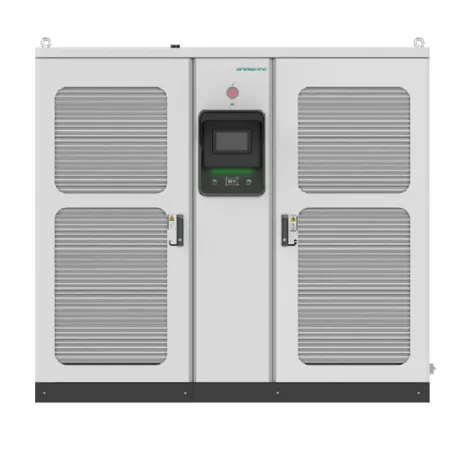
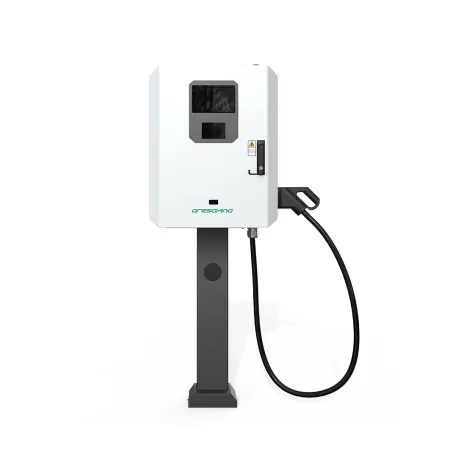
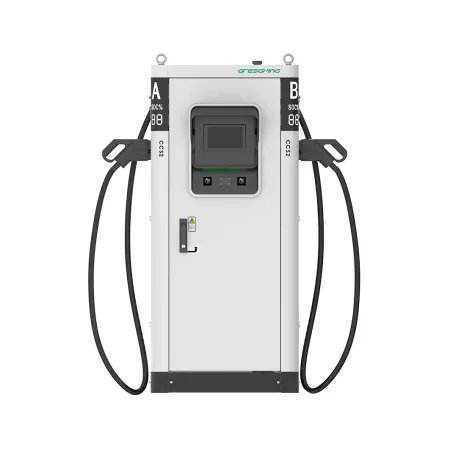
More items about wallbox charger


We Have The Best Solutions for Your Business
User Reviews
What users say about Us
Frequently Asked Question
Do you have any question?
Our Wallbox Chargers have a power output range from 3.7 kW to 22 kW.
Yes, our Wallbox Chargers are designed to be compatible with all types of EVs.
Yes, we provide a 2-year warranty on all our Wallbox Chargers.
The charging time depends on the EV's battery capacity and the charger's power output. On average, it takes about 4-6 hours.
Yes, our Wallbox Chargers are designed for both indoor and outdoor installations.
Yes, our Wallbox Chargers are certified by TÜV, CE, and other relevant safety standards.
Yes, our Wallbox Chargers can be integrated with most smart home systems.
Yes, our Wallbox Chargers are designed to handle voltage fluctuations.
Our updates and blog posts

Gresgying AC Charger: Powering Your Devices Efficiently
Gresgying AC Charger is an efficient, safe and portable charger that provides fast and safe charging for a variety of devices, making it your ideal charging solution.

Gresgying Charging Center: Revolutionizing the way we power our devices
Gresgying Charging Hub is a powerful and portable charging station that can provide fast and safe charging for multiple devices at the same time, making it an ideal choice for technology enthusiasts.
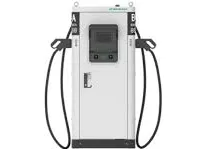
Gresgying charging stations: the rules of the road for device charging
Gresgying Charging Station is a powerful and portable charging station that can provide fast and safe charging for multiple devices at the same time, making it an ideal choice for technology enthusiasts.