Electric Car Charger Manufacturers: A Comparison Framework
When you line up several electric car charger manufacturers, the temptation is to rank them by price. That almost always misleads. Two quotes at the same power level can hide very different certifications, support networks and build quality. This article gives you a comparison framework — a matrix of six dimensions — so you can judge suppliers on like-for-like terms instead of on the number at the bottom of the page.
Dimension 1 — Power Coverage
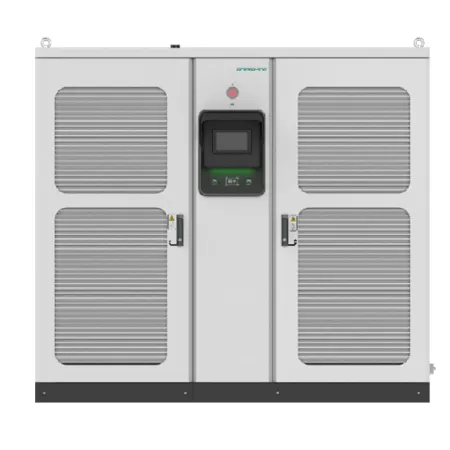
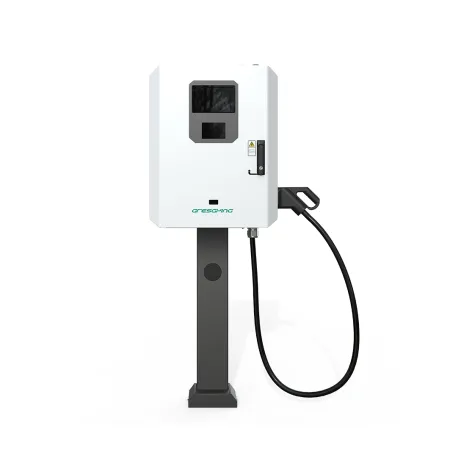
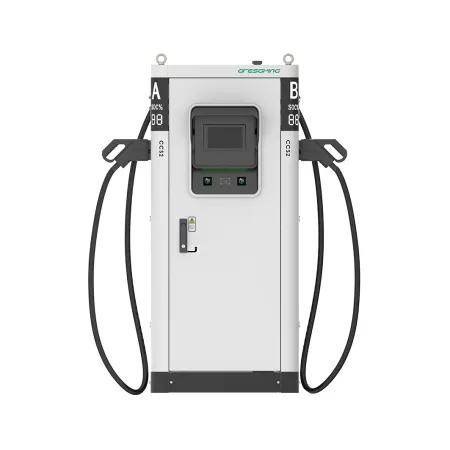
A supplier that covers your whole power range from one catalogue is easier to manage than three specialists. Map each manufacturer's portfolio against your needs: AC wallboxes, mid-power DC, and high-power hubs. Gresgying spans compact AC such as the Turbo Wallbox, through 30kW and 60kW DC, up to the 120–180kW station and the 480kW hub host. Fewer suppliers means fewer interfaces to integrate.
Dimension 2 — Certification Combination
Don't compare a single mark; compare the whole combination each manufacturer can show for the exact model you need. One may have CE but lack TÜV, while another carries both plus PTB for calibrated billing. Gresgying's certification set — CE and TÜV SÜD — is worth weighing against a rival's thinner paperwork when the destination market is strict.
Quote-Only Comparison Is a Trap
A lower price often reflects a missing certification, a shorter warranty or a weaker enclosure — costs that land on you later as rejected shipments, retrofit work or downtime. Compare the full row, not the price cell.
Dimension 3 — OEM and ODM Flexibility
If you plan to sell under your own name, the manufacturer's willingness and ability to customise matters. Can it relabel, repaint, change the connector set, or adapt firmware and the management platform? Gresgying's work on customised charging solutions shows the depth of adaptation commercial buyers can expect.
Dimension 4 — Delivery Capability
Two manufacturers may quote the same week, but only one keeps finished stock or holds critical components. Probe lead time against your real volume and ask how the supplier performed on recent large orders. Our fleet hub charging programme depends on this predictability, and our scale-up across Malaysia shows delivery at volume.
Dimension 5 — After-Sales Network
A charger is a ten-year asset, so the support behind it counts. Compare the local service partners, spare-part depots and remote-diagnosis capability each manufacturer offers in your region. A cheaper unit with no nearby service will cost more across its life than a slightly dearer one backed by a real network.
Dimension 6 — Price Structure
Finally, look at how the price is built. Is it ex-works or delivered, does it include spares, and what does the warranty exclude? A transparent structure lets you compare like with like; a bare ex-works number hides the freight, duty and accessories you will still pay. The comparison matrix below keeps all six dimensions side by side.
- Weight by need A public network prizes certification and service; a private label prizes OEM flexibility.
- Normalise quotes Force every supplier onto the same Incoterm and warranty before comparing.
- Score, don't rank Use the matrix so a low price cannot mask a weak row.
Conclusion
Comparing electric car charger manufacturers on price alone is how good buyers make expensive mistakes. Build the six-dimension matrix, normalise every quote to the same terms, and let the complete picture — not the headline number — pick your partner. Our EV charger selection guide adds the product-level view, and the full collection shows the range a single supplier can cover.
Building a Comparison Shortlist?
Gresgying provides structured spec, certification and delivery data so you can drop us straight into your evaluation matrix.
Get the Spec Pack →